

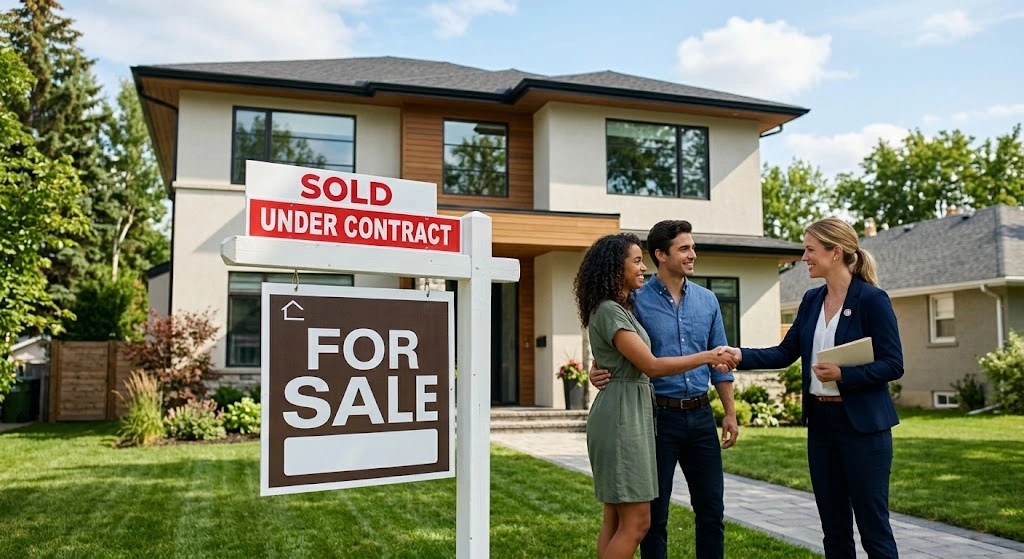
What Does Under Contract Mean in Real Estate? In real estate, “under contract” means a seller has accepted a buyer’s offer, but the sale isn’t finalized. The buyer and seller must still meet certain conditions — called contingencies — before closing. This process typically takes 4 to 8 weeks.
You’re scrolling through home listings and you spot the perfect house. Great neighborhood, right price, exactly what you’ve been looking for — and then you see it: Under Contract. Your heart sinks a little.
So what does under contract mean in real estate, exactly? Simply put, it means a buyer has made an offer and the seller has accepted it — but the deal isn’t officially done yet. The home is in a kind of waiting period, and a few important conditions still need to be checked off before the keys change hands.
Understanding this status matters whether you’re a first-time buyer, a seller waiting nervously on the other side, or someone who just found their dream home listed with this tag. Let’s walk through what it all means and what you can actually do about it.
What Happens After an Offer Is Accepted?
Once a seller says yes to a buyer’s offer, both parties sign a purchase agreement. This legally binding document sets the price, the closing date, and the conditions that must be met before the sale can go through.
At this point, the home’s listing status changes to “under contract.” The property is technically still on the market in the sense that other buyers can see it, but the seller is committed to working through the deal with the current buyer.
Think of it like a job offer that’s been verbally accepted but not yet started. The handshake happened — now both sides are just making sure everything checks out before the first day.
The time between going under contract and actually closing usually runs anywhere from four to eight weeks. During that window, a lot is happening behind the scenes.
What Are Contingencies and Why Do They Matter?
Contingencies are the conditions written into the purchase agreement that must be satisfied before the sale becomes final. If any of them aren’t met, either the buyer or the seller may have the right to walk away.
This is what separates “under contract” from “sold.” Until the contingencies are cleared, the deal can still fall through.
The Financing Contingency
This is one of the most common reasons deals don’t close. Even if a buyer is pre-approved for a mortgage, final loan approval isn’t guaranteed. If the lender pulls back — because of a job change, a drop in credit score, or new debt the buyer took on — the financing falls through and the contract can be canceled.
This is also why sellers tend to favor buyers who come in pre-approved. It doesn’t eliminate the risk, but it reduces it significantly.
The Home Inspection Contingency
After the offer is accepted, the buyer typically hires a licensed inspector to examine the property. The inspector looks at the structure, roof, plumbing, electrical systems, and more.
If something major turns up — think mold, foundation cracks, or a failing HVAC system — the buyer can ask the seller to make repairs, lower the price, or walk away entirely if the seller won’t budge.
The Appraisal Contingency
Mortgage lenders won’t let a buyer borrow more than what a home is actually worth. That’s where the appraisal comes in. A licensed appraiser evaluates the home and gives it an official value.
If that value comes in lower than the agreed sale price, there’s a problem. The buyer would have to cover the gap out of pocket, renegotiate the price with the seller, or cancel the deal. According to a 2024 Zillow survey, 23% of sellers reported at least one offer falling through because the appraisal came in below the purchase price.
The Home Sale Contingency
Some buyers need to sell their current home before they can afford to buy a new one. In this case, the purchase agreement includes a clause that says the deal only moves forward once the buyer’s existing home sells.
This contingency adds uncertainty to the timeline and can make sellers nervous, especially in a slower market where that existing home might not sell quickly.
Under Contract vs. Pending: What’s the Difference?
These two terms cause a lot of confusion, and some real estate platforms even use them interchangeably — which doesn’t help.
In general, here’s how to think about it. A home that’s “under contract” still has active contingencies in play. Something could still derail the sale. A home listed as “pending,” on the other hand, means all the major contingencies have been satisfied. The buyer and seller are just finishing up the final paperwork and heading toward closing day.
Once a home reaches pending status, sellers typically stop accepting new offers. The finish line is in sight.
“Active under contract” is another variation you might see on listing sites. It essentially means the same thing as under contract — an offer has been accepted, conditions still need to be met — but the seller may be open to receiving backup offers in case the current deal collapses.
How Often Do Under Contract Deals Fall Through?
More often than most buyers and sellers expect. According to data from early 2025, roughly 14% of home purchase agreements fall through before closing. That’s about one in seven deals.
The most common culprits are financing problems, inspection issues, and low appraisals. Job losses, unexpected credit changes, title defects, and even cold feet can also kill a deal.
None of that is great news if you’re the buyer or seller in the middle of it. But it does mean that if you spot a home you love listed as under contract, all hope isn’t lost.
Can You Still Make an Offer on an Under Contract Home?
Yes — and in many cases, it makes sense to try.
You can submit what’s known as a backup offer. This puts you in line as the next buyer if the current deal falls apart. If the seller accepts your backup offer, it becomes the active contract the moment the first deal is officially canceled.
If you’re going to make a backup offer, make it strong. Fewer contingencies, a higher price, or a flexible closing date can make your offer more appealing to a seller who’s already nervous about their current deal.
That said, be realistic. Backup offers don’t close most of the time. The best approach is to keep your backup offer in place while continuing to look at other homes. You’re not committed to anything yet, and neither is the seller.
One thing that genuinely helps here: get pre-approved for a mortgage before you start making offers on anything. A pre-approval letter tells the seller you’re a serious, qualified buyer. It strengthens your offer and reduces the seller’s concern about financing falling through — which is already their biggest fear with an under contract property.
What Under Contract Means If You’re the Seller
If your home just went under contract, congratulations — you’re most of the way there. But this isn’t the time to relax completely.
You’ll want to stay in close communication with your agent and be responsive to any requests that come through during the contingency period. The buyer’s inspector may flag issues you weren’t aware of. The appraisal could come in lower than you hoped. The buyer’s lender might need additional documentation.
Being flexible and cooperative during this period keeps the deal on track. Sellers who push back too hard on inspection findings or drag their feet on paperwork risk watching the buyer walk away.
You can also choose to accept backup offers from other interested buyers while your home is under contract, giving you a safety net if the current deal breaks down.
A Quick Note on Earnest Money
When a buyer goes under contract on a home, they typically put down earnest money — a deposit that signals they’re serious. This amount is usually 1% to 3% of the purchase price and is held in escrow until closing.
If the buyer backs out for a reason covered by a contingency in the contract, they typically get their earnest money back. If they back out without a valid contractual reason, the seller may get to keep it. And if the seller is the one who walks away improperly, the buyer may be entitled to that deposit back plus additional damages.
It’s one more reason both parties are motivated to see the deal through once the contract is signed.
The Bottom Line
When you see “under contract” on a real estate listing, it means a deal is in motion — but it’s not done yet. The buyer and seller have agreed on price and terms, and they’re working through a checklist of conditions before the sale officially closes.
For buyers eyeing that home, it’s worth staying engaged. Deals fall through, and being ready with a backup offer could put you in pole position if they do. For sellers, this period calls for patience, communication, and a willingness to work through any hiccups that come up.
Real estate deals move in stages, and “under contract” is one of the most important — and most misunderstood — of them all. Now that you know what it actually means, you’re in a much better position to navigate the process, whether you’re buying, selling, or just watching from the sidelines.
