

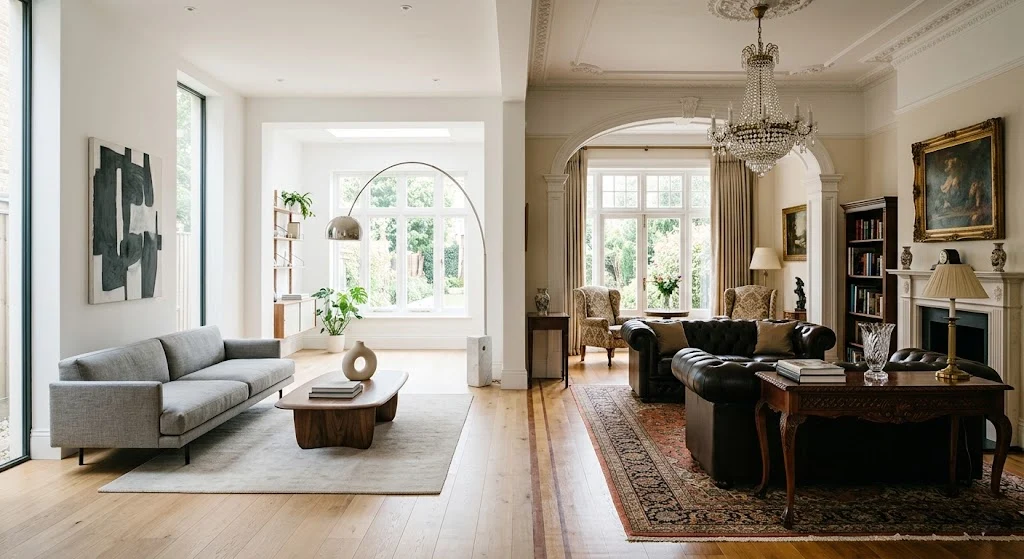
Modern decor focuses on clean lines, neutral colors, open spaces, and minimal ornamentation. Traditional decor draws from 18th and 19th-century European design, featuring rich textures, ornate details, and warm, layered interiors. Both styles have distinct personalities — and can even be blended into one cohesive look.
When you walk into a beautifully decorated room, you feel it before you can explain it. That sense of calm in a clutter-free space. That warmth from a richly layered living room. A lot of that feeling comes down to decor style — and when it comes to modern vs traditional decor styles, these two are the most talked-about approaches in interior design.
Whether you’re decorating your first home, refreshing a tired room, or just trying to put a name to what you love, this guide breaks it all down for you in plain, honest terms.
What Is Modern Decor?
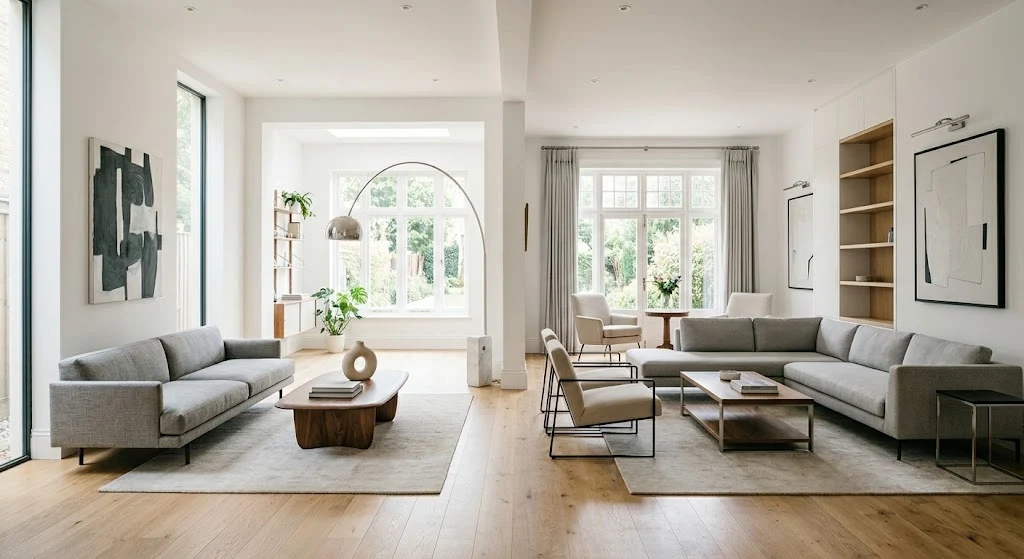
Modern decor is rooted in simplicity. It grew out of the early to mid-20th century art movement, which pushed back against over-decoration and celebrated clean, functional design. If a room looks sleek, open, and uncluttered, it’s probably leaning modern.
The defining features are easy to spot. Clean straight lines run through the furniture and architecture. Color palettes stay neutral — think white, grey, black, and warm beige. Materials like glass, metal, polished wood, and steel show up throughout the space. Furniture is low-profile, angular, and built to serve a purpose without drawing too much attention to itself.
One of the biggest hallmarks of modern design is its relationship with light. Large windows are common. Open floor plans allow air and brightness to move freely through the home. The whole point is to create a space that feels airy, calm, and organized.
Decoration in a modern room is kept to a minimum. What you do display tends to have a purpose — a piece of abstract art, a single sculptural vase, a thoughtfully placed plant. The “less is more” principle isn’t just a phrase here; it’s a way of living.
What Is Traditional Decor?
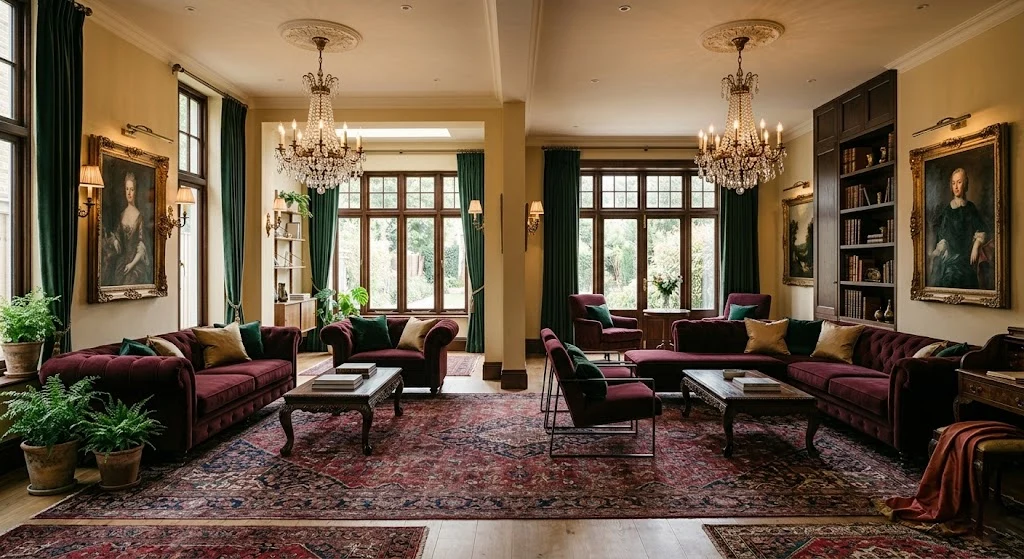
Traditional decor feels like a warm hug. It draws its inspiration from classic European design — particularly the styles of the 18th and 19th centuries — and it brings a sense of history, comfort, and elegance into a home.
Where modern spaces strip things back, traditional rooms layer things in. You’ll find rich, dark wood furniture with curved legs and ornate detailing. Fabrics are luxurious — velvet, silk, brocade, and leather appear on sofas, chairs, and draperies. Color palettes run warm and deep: burgundy, forest green, navy, gold, and rich brown are all at home here.
The architectural details matter a great deal in traditional spaces. Crown molding, wainscoting, decorative trim, and arched doorways are standard. Furniture tends to be tall and substantial. Chandeliers and wall sconces serve as statement light fixtures, not just sources of light.
Patterns play a major role too. Floral prints, paisley, plaid, and damask fabrics give traditional rooms their signature layered, curated look. Nothing feels sparse — and that’s entirely the point. A traditional room is meant to feel lived-in, inviting, and full of character.
Modern vs Traditional Decor Styles: A Side-by-Side Look
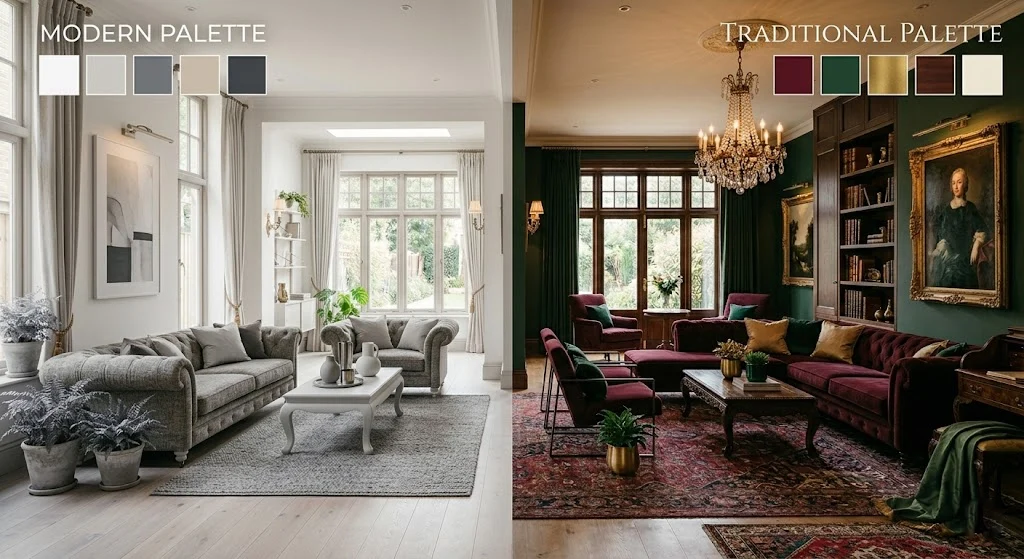
The differences between these two approaches come down to a handful of core elements. Understanding where they diverge makes it much easier to decide which direction feels right for your home.
Color Palette
Modern interiors lean toward neutrals. White, grey, charcoal, and beige create a quiet backdrop, letting furniture and art stand out on their own terms. Bold color, when used, appears as a single accent — a rust-colored throw pillow or an emerald green chair.
Traditional interiors go deeper and richer. Warm tones like terracotta, burgundy, hunter green, and gold give rooms a cozy, enveloping quality. Walls might carry a muted warm tone, and fabrics and rugs bring in bolder hues.
Furniture Style
Modern furniture prioritizes function. Pieces are low-to-the-ground, geometric in shape, and free of unnecessary detail. A modern sofa has straight arms, clean upholstery, and a straightforward silhouette.
Traditional furniture is more sculptural. Cabriole legs, rolled arms, tufted backs, and carved wood details are common. Pieces feel substantial and intentional — like they were made to last for generations.
Materials and Textures
Modern design reaches for glass, polished metal, lacquered wood, and smooth concrete. The surfaces feel clean and almost industrial in the best possible way.
Traditional design stays closer to nature’s warmth. Solid hardwoods, leather, woven textiles, and stone are common choices. The textures are richer and more tactile.
Lighting
In modern spaces, lighting is understated. Recessed fixtures, simple pendant lights, and track lighting blend into the ceiling rather than demanding attention. The goal is function without drama.
Traditional spaces treat lighting as décor. A grand chandelier above the dining table, brass wall sconces in the hallway, and a silk-shaded table lamp beside the sofa — these fixtures are design elements in their own right.
Clutter and Decoration
This is probably the clearest difference of all. Modern rooms breathe. Surfaces stay clear. Decorative items are chosen sparingly and with intention.
Traditional rooms collect. Bookshelves are filled. Mantels are styled with multiple objects. Walls hold framed art, mirrors, and decorative plates. The richness comes from layering, not restraint.
Which Style Suits Your Lifestyle?
Choosing between modern and traditional decor isn’t just about what looks good in a magazine. It’s about how you actually live.
If you prefer a calm, low-maintenance space — one that’s easy to clean and feels mentally restful — modern design tends to support that lifestyle well. The minimal decoration means less to dust, less to move, and less visual noise when you walk through the door at the end of a long day.
If you love collecting things, surrounding yourself with meaningful objects, and making a home feel like it has a story, traditional design gives you the space to do that. It welcomes books, heirlooms, layered rugs, and the kind of warmth that only comes from years of intentional collecting.
Families with young children sometimes find that a strict modern aesthetic is hard to maintain — all those clean surfaces show everything. Traditional spaces are a bit more forgiving of the beautiful chaos that comes with family life.
The Best of Both Worlds: Transitional Design
Here’s the good news: you don’t have to pick just one.
Transitional design is exactly what it sounds like — a thoughtful blend of modern and traditional elements. It takes the clean lines and breathing room of modern interiors and pairs them with the warmth, texture, and character of traditional ones. The result is a space that feels timeless without feeling stuffy, and current without feeling cold.
A transitional living room might feature a sleek, low-profile sofa (modern) alongside a Persian-style area rug (traditional). Crown molding on the walls (traditional) pairs beautifully with simple, recessed ceiling lights (modern). Neutral paint tones create a calm backdrop, while a vintage wooden cabinet or a set of richly upholstered chairs add depth and warmth.
The key to making this work is balance. You’re borrowing from each style without letting either one take over. Designers often recommend starting with a neutral foundation — white or warm grey walls, natural wood floors — and then layering in traditional warmth through textiles, rugs, and wood furniture, while keeping the overall layout and larger pieces clean and contemporary.
How to Choose the Right Style for Your Space
Start by thinking about the architecture of your home. Older homes with high ceilings, detailed moldings, and large fireplaces tend to feel most natural with traditional or transitional décor. Modern ranch-style homes, open-plan apartments, and newly built spaces often feel right at home with a modern aesthetic.
Next, think about what you already own. If you have heirloom furniture, antique pieces, or sentimental collections, a traditional or transitional direction honors those items rather than fighting them. If you’re starting fresh and prefer a curated, minimal look, modern design gives you a clean slate.
Don’t underestimate your emotional response to color. Spend a few days looking at rooms that lean modern and rooms that lean traditional. Notice which ones make you feel relaxed, inspired, and at home. Your gut will tell you a lot.
And remember: great design isn’t about following rules perfectly. It’s about creating a space that genuinely reflects how you live and what makes you feel good. Whether you go fully modern, deeply traditional, or somewhere beautifully in between, the goal is always the same — a home that feels like yours.
Conclusion
The debate between modern vs traditional decor styles doesn’t have a winner. Each approach brings something real and valuable to a home. Modern design offers clarity, calm, and function. Traditional design offers warmth, richness, and personality. And transitional design proves that you don’t have to give up one to have the other.
The best home is the one that fits your life, reflects your taste, and makes you happy every time you walk through the door. Now that you know what each style is built on, you’re well-equipped to make that choice — or blend — with confidence.
