

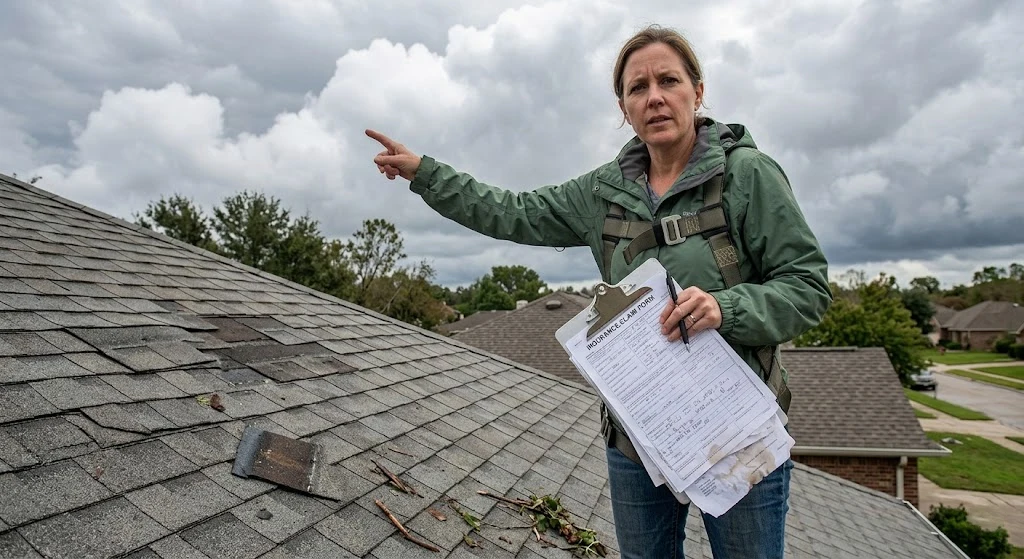
A roof insurance claim is a formal request to your homeowners insurance company for financial help after your roof is damaged by a sudden event like a storm, hail, wind, or falling tree. Most standard policies cover these unexpected events but exclude gradual wear and tear or damage from neglect.
A storm just rolled through. You walk outside, look up, and your stomach drops — shingles are missing, there’s a dent in the flashing, or worse, water is already dripping inside. Filing a roof insurance claim might be the last thing you want to deal with right now, but it’s exactly the step that can save you thousands of dollars.
The good news? The process is a lot more manageable than most homeowners think. Once you understand how roof insurance claims work, what your policy actually covers, and the right order of steps to follow, you’ll move through the process with confidence rather than anxiety.
What Does Homeowners Insurance Actually Cover for Your Roof?
This is the first question worth getting right, because not all roof damage qualifies for a claim.
Homeowners insurance is designed to protect you from sudden and accidental damage, not gradual wear and tear. When it comes to your roof, this usually means coverage for events like wind, hail, fire, lightning strikes, or a tree limb crashing down during a storm. The key word is unexpected. If shingles are curling from age or a small leak has worsened over years, insurance will not step in.
Wind and hail accounted for over half of all residential roofing claims in 2024, according to Verisk Analytics — so if you live in a storm-prone region, understanding your coverage ahead of time is especially important.
Common exclusions to watch for include damage from poor maintenance, pest infestations, and normal aging. Every policy is different, so reviewing yours before disaster strikes is always the smarter move.
ACV vs. RCV: Understanding Your Policy Type
Not all policies pay out the same way, and this difference matters more than most homeowners realize.
There are two types of policies: Actual Cash Value (ACV) and Replacement Cost Value (RCV). An ACV policy only gives you the depreciated value of your roof — meaning the insurance company gives you a one-time payment for what your roof is worth at the time of the claim, not what it costs to replace it.
With an RCV policy, you’ll receive an initial payment covering the depreciated value, followed by a second payment after the repairs are complete, covering the remainder.
In plain terms: ACV leaves you paying more out of pocket, especially if your roof is older. RCV gives you a much fuller payout. If you’re not sure which type you have, check your declarations page or call your insurance agent today — before you ever need to file.
Step-by-Step: How to File a Roof Insurance Claim
Step 1: Assess the Damage Safely
Your first instinct might be to climb up and look around. Resist that urge.
A quick look from the ground is fine, but climbing up isn’t worth the risk. A professional roofer can spot dents, leaks, or loose shingles that most homeowners would miss. Most reputable roofing companies offer free inspections after storm events, so there’s no real reason not to call one.
Step 2: Document Everything Right Away
Before you touch anything or make any temporary repairs, grab your phone and start recording.
Get detailed photos and videos of the damage, including wide shots and specific details like cracks or missing shingles. Note the date and time the damage occurred — this information can be crucial in establishing the cause of the damage.
The more evidence you have early on, the stronger your claim will be. Think of it as building your case from the very first moment.
Step 3: Review Your Policy Before You Call
Before filing any roofing insurance claim, it’s crucial to understand the details of your homeowners insurance policy — including deductibles, coverage limits, and exclusions.
Knowing your deductible amount upfront helps you decide whether a claim even makes financial sense. If the repair cost is less than your deductible, it may not be worthwhile to file. A professional inspection estimate can help you make that call.
Step 4: File Your Claim Promptly
Timing is everything. Insurance companies often have strict deadlines, sometimes as short as 12 months from the date of the storm damage. Filing too late could mean losing your coverage altogether.
Contact your insurer as soon as possible. Many insurers have dedicated hotlines or online portals for storm damage claims. Provide your documentation, including photos, videos, and inspection reports.
Be clear, factual, and thorough when you describe what happened. Stick to what you know and what you can prove.
Step 5: Meet the Insurance Adjuster
Once your claim is filed, your insurer will send someone out to evaluate the damage firsthand.
Before the adjuster arrives, tidy up debris and make sure your roof is safe to access. It’s also smart to have your roofing contractor present during this visit. They can point out damage an adjuster might overlook and speak the same technical language, helping ensure your claim is valued reasonably.
It’s worth remembering that the insurance adjuster is the one who determines whether insurance will cover the damage — regardless of what a roofing contractor says. That’s why having a knowledgeable roofer by your side — not instead of the adjuster — is the smart play.
How to Handle a Low Settlement Offer or Denied Claim
It happens more than people expect. The adjuster’s number comes back lower than your contractor’s estimate, or the claim gets denied entirely. Don’t panic, and don’t immediately give up.
Your contractor can provide extra documentation, photos, or repair estimates to support your claim. If things still don’t add up, you may want to bring in a public adjuster or attorney who specializes in roofing claims. Having backup ensures you don’t settle for less than what your roof truly needs.
You also have the right to formally appeal a denied claim. Document your reasoning, gather supporting evidence, and submit a written rebuttal through your insurer’s official appeals process. Many claims that are initially denied get overturned when homeowners push back with solid proof.
Red Flags to Watch Out For During the Claims Process
Storm season brings out storm chasers — and not the good kind.
Some roofing companies come into neighborhoods after a storm, knock on doors, and try to get homeowners to sign something before even inspecting the roof. They do this to lock you into a contract before your claim has even been approved. Reputable roofers give you an honest assessment and ask for your business only after your claim is approved.
One of the biggest scams in the industry involves roofers offering to pay your deductible. Roofing companies that offer to pay deductibles are committing insurance fraud. No matter what you hear, you must pay your deductible once your insurance claim is approved.
If a contractor is offering you a deal that sounds too good to be true, walk away. It will cost you more — legally and financially — in the long run.
What Happens After Your Claim Is Approved
Once your insurer gives the green light, the repair process can finally begin.
Once you file a claim and it’s approved, your insurance company will send you a payout to be used to pay for the repairs. Payouts are usually sent out within a month on average.
If you have an RCV policy, remember that you’ll likely receive two checks — the first covering the current value of your roof, and the second arriving after the work is complete to cover the remaining depreciation. Keep all invoices and receipts from the repair, as you’ll need to submit proof of completion to receive that second payment.
How to Protect Yourself Before the Next Storm
Filing a claim after damage has already occurred is reactive. The smarter long-term strategy is getting ahead of potential problems.
Schedule a professional roof inspection every one to two years, especially after severe weather seasons. Keep records of all maintenance, repairs, and inspection reports. This paper trail shows insurers that you’ve taken care of your roof, which can make a big difference if a claim is ever disputed.
Also, after going through the claim process, take the opportunity to review your policy to ensure you have adequate future coverage, and make plans to adjust it upon renewal if necessary.
Final Thoughts
Navigating roof insurance claims doesn’t have to feel like a second disaster. When you know what’s covered, understand your policy type, document damage immediately, and stay engaged throughout the process, you give yourself the best possible chance of a fair and full payout.
The roof over your head is worth protecting — and so is the money you pay every month in premiums. Use both wisely.
