

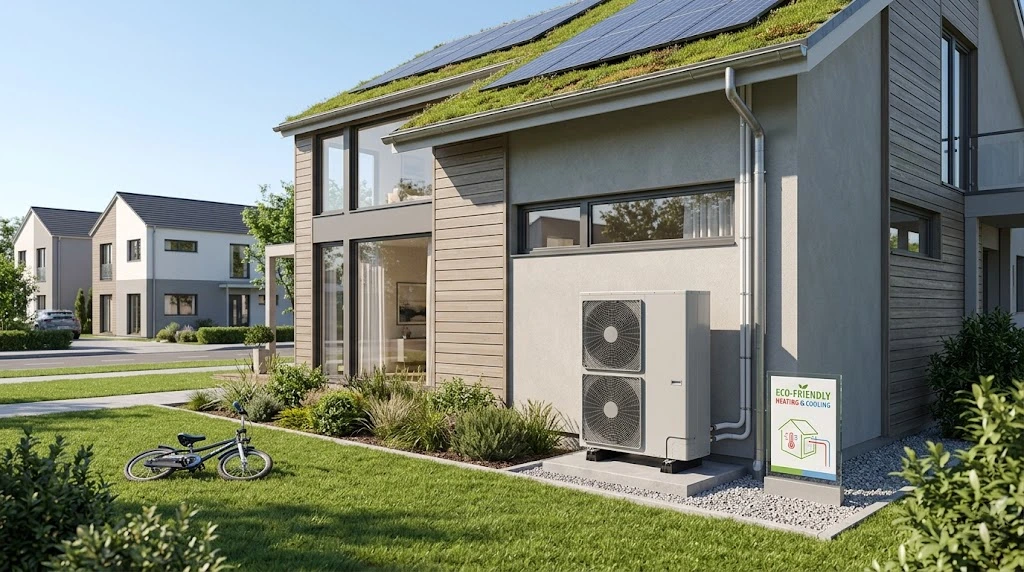
A heat pump costs between $4,000 and $25,000 installed, depending on the type, size, and location. Most homeowners spend around $9,000 to $17,000 for a standard air-source system. Ductless mini-splits start lower, while geothermal systems cost significantly more. Federal and state incentives can reduce the total by thousands.
What You’ll Actually Pay for a Heat Pump
If you’re shopping for a new heating and cooling system, you’ve probably already noticed that heat pump cost estimates can vary wildly from one source to the next. One contractor quotes $7,000. Another says $14,000. And a neighbor swears they paid half of that.
So what’s actually going on?
The truth is, there’s no single price for a heat pump — and that’s not a bad thing. It means the system can be sized and configured to fit your home, your climate, and your budget. The national average cost to install a heat pump hovers around $15,400, but prices vary considerably depending on where you live, with typical whole-home setups ranging from roughly $8,000 in some states to over $33,000 in high-cost areas like New York.
That range sounds wide, but it makes more sense once you understand what drives the price. Let’s break it all down.
Heat Pump Costs by System Type
The type of system you choose has the biggest impact on what you’ll pay. There are three main categories to know about.
Air-Source Heat Pumps
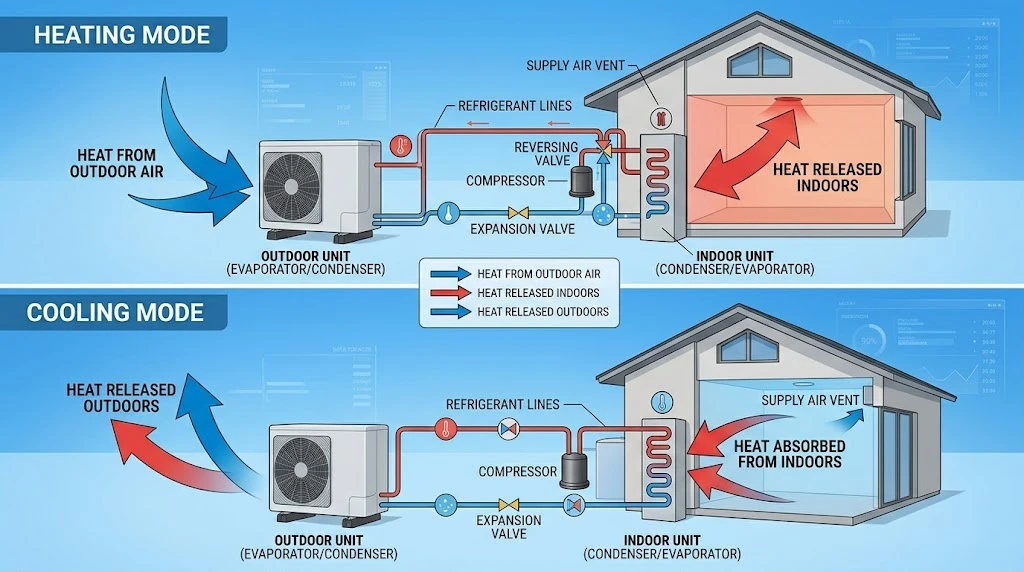
This is the most common option for most homes. An air-source heat pump pulls heat from the outside air and moves it in or out of your home depending on the season. Most homeowners pay between $3,800 and $8,500 for a new central air-source heat pump, fully installed. These systems connect to existing ductwork, which keeps costs lower if your ducts are already in good shape.
Ductless Mini-Split Systems
Mini-splits don’t need ductwork at all. Instead, they use individual indoor units mounted in each room or zone, connected to an outdoor unit through a small wall opening. Installing a ductless heat pump costs around $6,500 on average, with most homeowners spending between $3,000 and $8,000 — though larger multi-zone setups can push well past that. Ductless systems average closer to $25,000 before incentives when configured for whole-home use across multiple zones, because each additional indoor unit adds both equipment and labor costs.
Geothermal Heat Pumps
Geothermal systems use the stable temperature underground to heat and cool your home. They’re the most efficient option available, but also the most expensive. The total cost for a geothermal heat pump system for a typical home runs between $15,000 and $35,000, including equipment, underground loop installation, and professional labor. That steep upfront price gets more manageable when you factor in incentives and long-term energy savings, but it’s a significant investment either way.
What Factors Affect the Price the Most?
Once you know the system type you want, several other factors will shape your final quote.
Home Size and System Capacity
Bigger homes need more powerful systems, and more powerful systems cost more. You generally need between 20,000 and 24,000 BTU per 1,000 square feet of living space, and the average cost runs around $3,500 per ton of capacity. A licensed HVAC contractor will calculate the exact size your home needs — skipping this step often leads to a system that runs poorly, wears out faster, and wastes energy.
Your Local Climate
Where you live affects not just how big a system you need, but which type works best. In colder climates, homes often need more powerful systems with higher efficiency ratings — and sometimes backup heat sources — which naturally increases the price. If you’re in a very cold region, you may need a cold-climate heat pump, which is designed to keep working efficiently even when outdoor temperatures drop well below freezing. These models carry a 20–40% price premium over standard units.
Ductwork Condition
If your home already has ducts in good shape, a ducted air-source system is almost always the most affordable path. Damaged, undersized, or leaky ducts may cost an additional $1,000 to $3,000 to repair or replace — so it’s worth having them inspected before you commit to any system type.
Electrical Upgrades
Older homes sometimes need electrical panel upgrades to support a new heat pump. Older homes often need upgraded service panels, disconnect boxes, or breakers, which can add $500 to $1,500 to the total project cost.
Labor Rates in Your Area
HVAC labor costs vary significantly by region. Hiring an HVAC contractor typically costs $75 to $150 per hour, and the complexity of your installation — tight attic access, multi-story layouts, running new wiring — all add time to the job.
How to Save Money on a Heat Pump
Here’s some good news: the sticker price isn’t what most people end up paying. There are several ways to meaningfully reduce your out-of-pocket cost.
Federal Tax Credits
The Inflation Reduction Act’s Section 25C tax credit covers 30% of equipment cost, up to $2,000 per year through 2032, and applies to qualifying Energy Star-rated systems. This is a direct credit against your federal income taxes — not just a deduction — which makes it one of the most valuable incentives available. Note that the 30% credit on installation costs (not just equipment) expired after 2025, so the credit now applies to equipment costs only for most homeowners.
Income-Based Rebate Programs
Low-to-moderate income households may qualify for direct rebates of up to $8,000 for heat pump installation through federal programs funded by the Inflation Reduction Act. If your household income is at or below 80% of your area’s median income, you may qualify for the full $8,000. These programs are administered state by state, so check with your state energy office to see what’s currently available in your area.
Utility Company Rebates
Many electric utilities offer their own rebates on top of state and federal programs. Utility rebates typically range from $200 to $1,500 for qualifying heat pump installations, and the DSIRE database at dsireusa.org tracks available programs across the country.
Timing and Getting Multiple Quotes
Installing in spring or fall — when HVAC contractors are less busy — can give you more negotiating room. Getting at least three detailed quotes, each listing the model number and efficiency rating, helps you compare honestly and avoid overpaying.
How Much Will You Pay Each Month to Run It?
The purchase price is only part of the picture. Running costs matter just as much for your long-term budget.
A heat pump in a moderate climate typically costs around $700 to $900 per year to operate, based on average electricity rates — that works out to roughly $60 to $75 per month. In colder regions, operating costs will be higher, especially during peak winter months. In warmer southern climates, they tend to be lower.
Compared to gas furnaces or electric resistance heating, heat pumps typically deliver significantly lower monthly bills because they move heat rather than generate it. That efficiency difference is what makes them increasingly popular even as upfront prices remain high.
How Long Does a Heat Pump Last?
The average lifespan of a heat pump is generally 10 to 15 years, depending on usage, climate, and maintenance. Some well-maintained systems last 20 years or more. Annual professional tune-ups, regular filter changes every 60 to 90 days, and keeping the outdoor unit clear of debris all extend a system’s life and protect your investment.
Expect to spend about $150 to $300 per year for professional maintenance checkups. That modest annual cost pays for itself many times over by catching small problems before they become expensive repairs.
Is a Heat Pump Worth the Investment?
For most homes, yes — especially when you factor in incentives and long-term savings. Most heat pump installations pay for themselves within 5 to 15 years through energy savings, and studies suggest they can increase home values by $4,000 to $8,000.
In a moderate climate with serviceable existing ductwork, a heat pump almost always wins on total cost of ownership once you factor in available credits and lower monthly utility bills. In the coldest climates, a cold-climate heat pump or hybrid system — pairing a heat pump with a gas furnace backup — is often the smartest cost-efficiency balance.
If you’re replacing an aging system anyway, now is a good time to make the switch. The incentives are still strong, the technology has matured considerably, and the long-term savings are real.
The Bottom Line on Heat Pump Cost
A heat pump is a meaningful investment, but it’s one that pays dividends in comfort, efficiency, and lower energy bills over time. Heat pump installation costs range from $6,000 to $25,000 or more, with the exact cost determined by factors like the type of system, home size, local labor rates, and installation complexity.
The smartest move you can make is to get multiple quotes from licensed HVAC contractors, confirm which incentives you qualify for before signing anything, and choose a system that’s properly sized for your home — not just the cheapest one on the quote sheet. A well-installed heat pump, properly maintained, will serve you reliably for well over a decade.
