

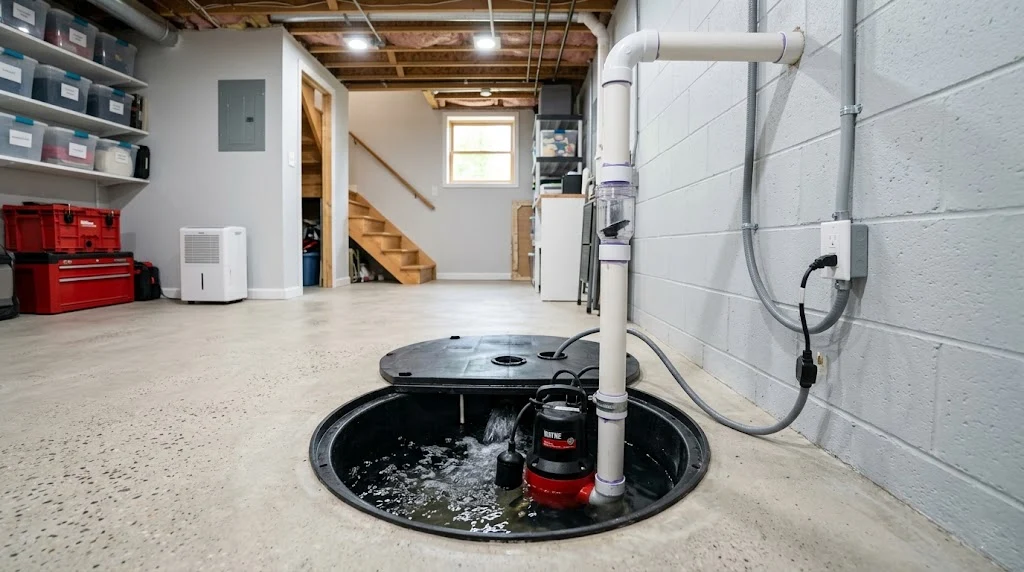
Sump pump installation costs between $500 and $4,000, with most homeowners paying around $1,100 to $1,400 on average. The final price depends on the pump type, whether a new pit needs to be dug, labor rates in your area, and any additional features like battery backup systems.
If you’ve noticed water seeping into your basement after a heavy rain, a sump pump might be exactly what your home needs. But before you call a contractor, you probably want to know: how much does sump pump installation cost?
The short answer is that most homeowners spend between $500 and $4,000, with the national average landing around $1,100 to $1,400. That’s a wide range — and for good reason. The cost depends on several moving parts, from the type of pump you choose to whether your home already has a sump pit dug and ready to go.
This guide breaks everything down clearly so you know what to expect before you get a quote.
What Is a Sump Pump and Why Does It Matter?
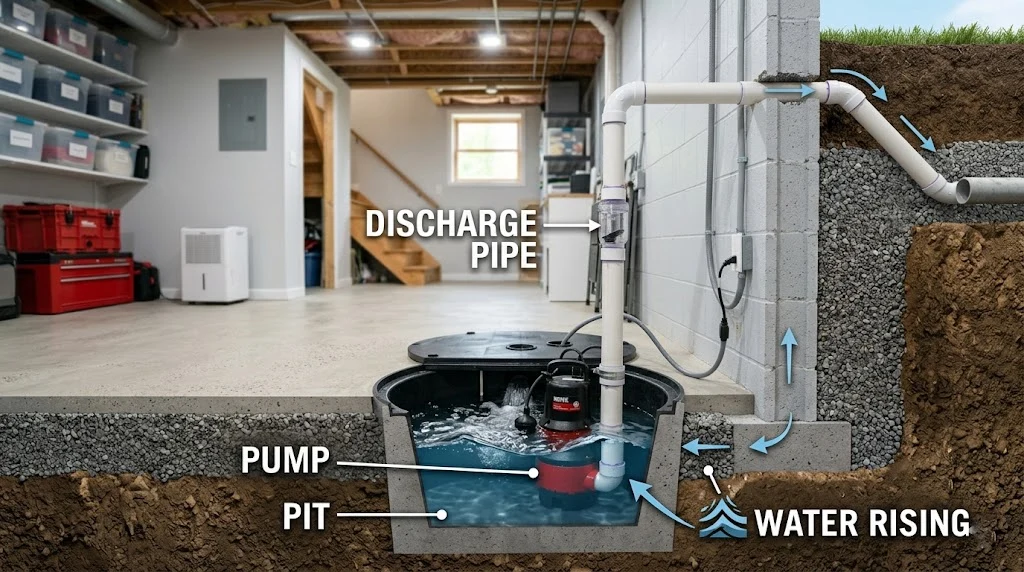
A sump pump sits in a pit at the lowest point of your basement or crawl space. When groundwater or rainwater rises to a certain level, the pump kicks on automatically and moves that water away from your foundation through a discharge pipe.
Without one, excess water can cause serious damage — warped floors, cracked foundations, mold growth, and ruined belongings. A properly installed sump pump protects your home and can even increase its resale value.
Average Sump Pump Installation Cost Breakdown
Here’s a simple look at what different parts of the project typically cost:
The pump unit itself runs anywhere from $100 to $800, depending on the type and features. A basic pedestal model is on the lower end, while a high-powered submersible pump with a battery backup sits at the top.
Labor costs typically range from $300 to $800 for a straightforward installation. If your project involves digging a brand-new pit, cutting through a concrete slab, or rerouting drainage lines, labor alone can climb to $4,000 or more.
Permit fees are often required when new electrical or drainage work is involved, and they generally add $50 to $250 to your bill depending on your municipality.
Disposal and cleanup of old materials or a worn-out pump can add another $100 to $500 to the total.
When you add it all up, replacing an existing pump in a basement that already has a pit is on the cheaper end — often $400 to $700. Installing a brand-new system from scratch is a bigger project and costs more.
Types of Sump Pumps and Their Costs
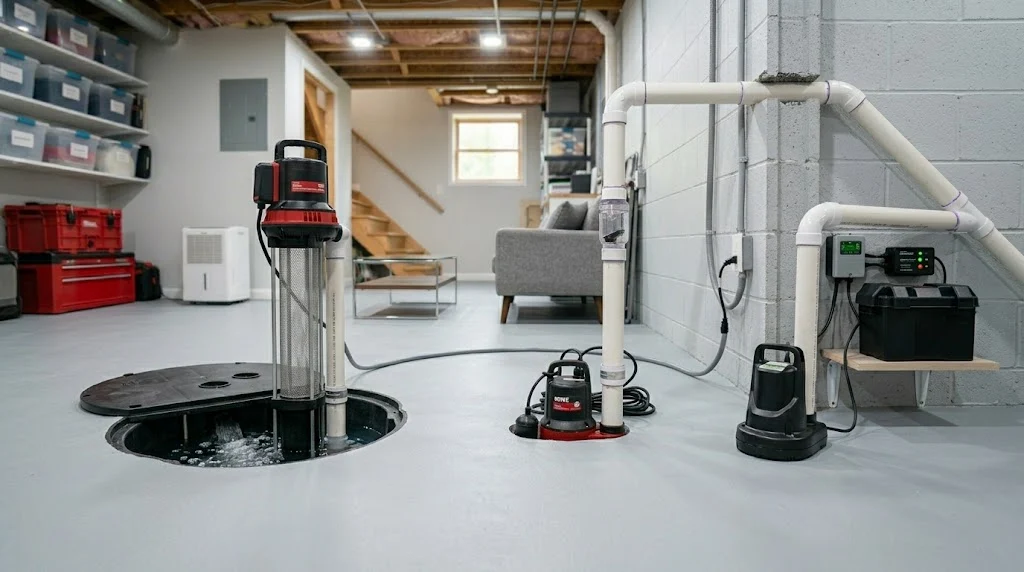
The type of pump you choose is one of the biggest factors in your total cost.
Pedestal Sump Pumps
A pedestal pump has its motor mounted above the pit on a long column. Because the motor sits above water level, it’s easier to access for repairs and generally lasts longer. Pedestal units cost between $100 and $400 for the pump alone. They’re a solid choice for homes with moderate water risk that don’t experience extreme flooding.
The downside is that pedestal pumps are noisier than their submersible counterparts. If your sump pit is in a finished area, that hum can become annoying fast.
Submersible Sump Pumps
A submersible pump sits entirely inside the pit, fully submerged in water. Because it’s sealed and operates underwater, it runs much more quietly and handles higher volumes of water. These units cost between $100 and $800.
Submersible pumps are the more popular choice for homes in flood-prone areas. They’re more powerful and don’t take up visible space in your basement. The tradeoff is that repairs are harder since the whole unit is underground.
Battery Backup and Water-Powered Pumps
A battery backup sump pump gives you a safety net during a power outage — which is exactly when flooding is most likely to happen. These units cost between $150 and $800 and can connect to an app for real-time alerts. Batteries typically need replacing every three to five years.
Water-powered backup pumps use the pressure of your municipal water supply to run without electricity. They cost $100 to $700 for the unit alone but require annual inspections and are generally less powerful than electric models.
Key Factors That Affect Your Sump Pump Installation Cost
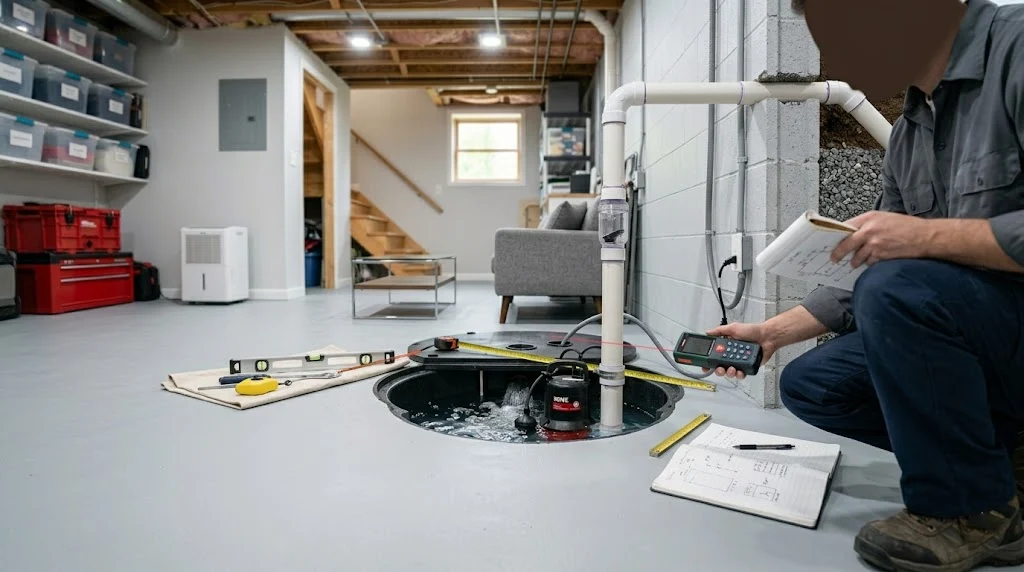
Whether You Already Have a Sump Pit
This is probably the single biggest cost variable. If your home already has a sump basin installed, you’re mostly paying for the pump unit and labor to swap things out. That’s a much smaller job.
If there’s no existing pit, a contractor has to dig one — and if your basement has a concrete floor, that means cutting through the slab. Concrete excavation can add $2,500 to $5,000 to the total project cost on its own.
Your Home’s Location
Labor rates vary significantly across the country. Urban areas and high-cost-of-living regions can be 20 to 30 percent more expensive than rural areas for the same job. Where you live affects not just what you pay contractors, but also local permit requirements and building codes.
The Condition of Your Basement
A finished basement with carpeting, drywall, and furniture takes more time and care than an open, unfinished space. Contractors may need to move belongings, protect finished surfaces, or work around obstacles — all of which adds to labor hours and total cost.
An unfinished basement with a dirt or gravel floor is the easiest and least expensive scenario.
Horsepower and Pump Size
The more powerful the pump, the more it costs. Homes in dry areas with minimal groundwater may only need a quarter-horsepower pump. Homes in flood-prone zones or with large drainage areas often need a one-third to half-horsepower model. Higher horsepower means a higher price tag on the unit itself.
Additional Features
Smart pumps with Wi-Fi connectivity and mobile alerts cost more upfront but give you peace of mind. Combination systems that include a primary electric pump plus a battery backup add to the total, but they’re worth considering if your area experiences regular storms or power outages.
New Installation vs. Replacement Costs
These two scenarios are very different in terms of what you’ll spend.
Replacing an old sump pump that’s reached the end of its lifespan — typically around 10 years — is a relatively quick job. Most homeowners pay between $645 and $2,100 for a full replacement, with the average around $1,358. The basin is already there, the plumbing connections exist, and it’s mostly a swap-and-test job.
A brand-new installation in a home that’s never had a sump pump before is a bigger undertaking. You’re looking at the full range of $500 to $4,000, and possibly more if extensive drainage work is needed.
DIY vs. Hiring a Professional
It’s tempting to save money by tackling sump pump installation yourself, especially for a simple pump swap. And for someone who’s comfortable with basic plumbing, replacing an existing pedestal pump in an already-dug pit isn’t impossible.
But for anything more involved — digging a new pit, working with electrical systems, or cutting through concrete — hiring a licensed plumber or waterproofing contractor is strongly recommended. Mistakes during installation can lead to pump failure, improper drainage, and water damage that costs far more to fix than the installation itself.
Professionals also know local building codes and can pull the right permits, so you’re not caught with an unpermitted job when you go to sell your home.
How to Save Money on Sump Pump Installation
Getting the job done right doesn’t have to mean paying top dollar. A few smart moves can help you stay within budget.
Getting quotes from at least three licensed contractors gives you a real picture of local pricing and helps you spot anyone pricing too high or suspiciously low. Both extremes are worth a second look.
Choosing a pedestal pump over a submersible model can cut your unit cost significantly if your home’s flood risk is low to moderate. You’ll save money upfront without sacrificing too much performance.
Clearing the work area yourself before the contractor arrives — moving stored items, removing old equipment, and making the pit accessible — can shave time off the labor portion of your bill.
Opting for a longer warranty when choosing your pump can save money down the road. A slightly more expensive unit with a three-to-five-year warranty is often cheaper in the long run than a budget pump that needs frequent repairs.
Signs You Need a New Sump Pump
If your current pump is making strange noises, running constantly, cycling on and off rapidly, or you’ve noticed rust and corrosion, it’s worth getting a professional to evaluate it. Most pumps have a lifespan of seven to ten years. If yours is older than that, proactive replacement is smarter than waiting for it to fail during a storm.
What Happens If You Skip a Sump Pump?
Basement flooding isn’t just an inconvenience. Water damage to a finished basement can easily run $10,000 to $30,000 or more in repairs. Mold remediation adds thousands more. Foundation repairs triggered by chronic moisture exposure can reach six figures.
Compared to those numbers, even a $2,000 sump pump installation looks like an excellent investment.
Final Thoughts
Sump pump installation cost varies widely, but most homeowners end up spending between $800 and $2,500 when all is said and done. The key factors are pump type, whether you need a new pit, labor rates in your area, and any extra features you want.
The best first step is getting two or three quotes from licensed plumbers or waterproofing pros in your area. Be specific about what you need — describe your basement, your flooding history, and whether a pit already exists. The more detail you give, the more accurate your estimate will be.
A dry basement isn’t a luxury — it’s an investment in your home’s health, safety, and long-term value.
