

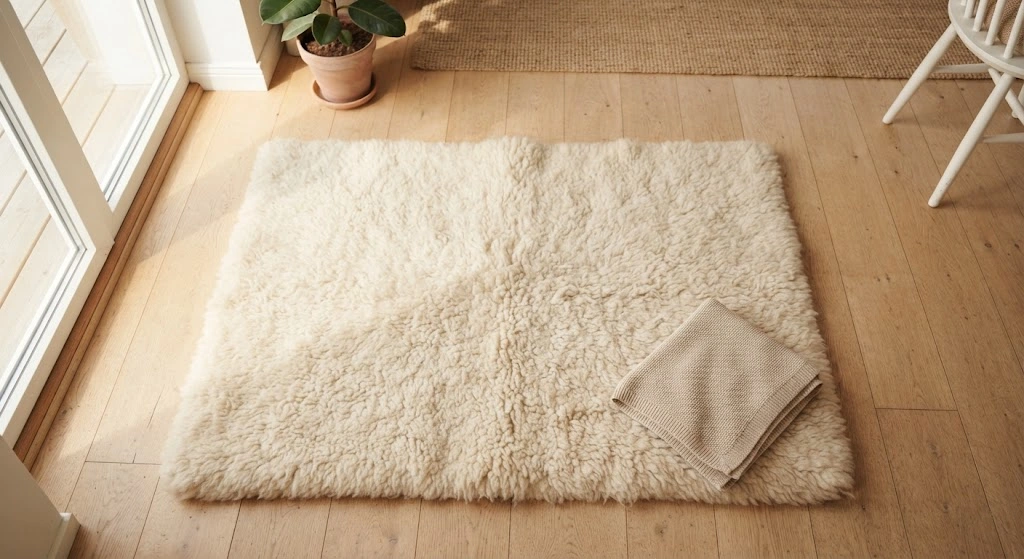
Wollmatten are natural wool mats, often made from sheepskin or felted lambswool, used for babies, pets, and home comfort. They regulate temperature, wick away moisture, and stay soft and cozy year-round. Wollmatten work well as crib liners, stroller pads, pet beds, or floor coverings for extra warmth.
If you’ve ever felt a soft, fluffy wool rug and wondered what makes it so special, you’ve probably come across Wollmatten. These natural wool mats have been used for generations to keep babies warm, pets comfortable, and homes cozy. But what exactly are they, and why do so many parents and pet owners swear by them?
In this guide, we’ll walk through everything you need to know about Wollmatten, from what they’re made of to how to pick the right one and keep it clean for years to come.
What Are Wollmatten?
Wollmatten is the German word for wool mats. They’re typically made from sheepskin or tightly felted lambswool, and they’re prized for being soft, breathable, and naturally warm.
Unlike synthetic mats, Wollmatten come from a renewable material that has been used in homes for centuries. The wool fibers trap tiny pockets of air, which helps the mat hold in warmth during cold months while still letting skin breathe in warmer weather.
You’ll often see these mats used under babies in cribs, in strollers, on the floor as a cozy accent, or even as bedding for dogs and cats. Their natural texture and gentle feel make them a favorite for anyone who wants a softer, healthier alternative to plastic or foam padding.
The Benefits of Using Wollmatten
Wool isn’t just soft. It actually offers real, practical benefits that make it a smart choice for many households.
Natural Temperature Regulation
One of the biggest reasons people choose Wollmatten is how well wool regulates temperature. The fibers naturally adjust to the body’s warmth, keeping you cool when it’s hot and warm when it’s cold. This makes wool mats especially useful for babies, whose bodies aren’t yet great at regulating their own temperature.
Hypoallergenic and Skin-Friendly
Wool is naturally resistant to dust mites and bacteria, which is a big plus for people with sensitive skin or allergies. Many parents choose Wollmatten specifically because they’re gentler on a baby’s delicate skin than synthetic fabrics, which can trap heat and moisture.
Wool also has a natural ability to wick away moisture. Instead of soaking it in and staying damp, wool pulls moisture away from the surface, so the mat stays dry and comfortable to the touch. This is one reason wool mats are often recommended for babies who sweat during sleep.
Common Uses for Wollmatten
Wollmatten show up in more places than you might expect. In nurseries, they’re often placed inside cribs or bassinets as a soft, breathable liner. Some parents use them in strollers or car seats to add a layer of warmth without bulk.
Pet owners love Wollmatten too. A wool mat placed in a dog bed or cat basket gives pets a warm, comfortable spot to curl up, and the natural fibers are gentle even on sensitive paws or skin.
Beyond babies and pets, Wollmatten also work well as decorative throws on chairs, benches, or sofas. They add texture and warmth to a room while doubling as a functional layer of comfort. Some people even use smaller wool mats as yoga or meditation pads, since the natural cushioning feels different from foam or rubber.
How to Choose the Right Wollmatten
Picking the right Wollmatten depends mostly on what you plan to use it for. If you’re buying one for a baby, look for mats that are labeled as untreated or chemical-free, since babies have more sensitive skin and shouldn’t be exposed to harsh dyes or synthetic treatments.
Size matters too. A crib-sized Wollmatte won’t work well as a floor rug, and a large decorative mat might be too bulky for a stroller. Measure the space you plan to use it in before buying, so you don’t end up with something too big or too small.
Thickness is another factor worth considering. A thicker mat offers more cushioning and warmth, which is great for winter use or for babies who need extra comfort. A thinner mat is easier to wash and dries faster, which can be more practical for everyday use.
It also helps to check where the wool comes from. Many quality Wollmatten are made from ethically sourced sheepskin, and some brands include certifications that confirm the wool was processed without harsh chemicals. This information is usually listed on the product tag or the seller’s website.
Caring for Your Wollmatten
Wool mats are surprisingly easy to maintain once you know a few basics. Most Wollmatten can be shaken out regularly to remove dust and loose debris, which keeps them fresh between washes.
When it’s time for a deeper clean, gentle hand washing with a mild wool detergent works best. Hot water and harsh soaps can damage the natural fibers, so it’s worth taking a little extra care. After washing, lay the mat flat to dry instead of using a dryer, since heat can cause the wool to shrink or lose its softness.
Brushing the wool gently with a soft-bristled brush after it dries helps restore its fluffy texture. This simple step keeps the mat looking and feeling like new for much longer.
Sunlight exposure once in a while also helps keep Wollmatten fresh, since natural light has a mild deodorizing effect on wool. Just avoid leaving the mat in direct sun for too long, as this can fade the color over time.
Wollmatten vs Synthetic Mats
It’s natural to wonder whether a wool mat is really worth it compared to a cheaper synthetic option. The truth is, both have their place, but wool offers advantages that synthetic materials simply can’t match.
Synthetic mats are often less expensive and easier to mass produce, but they don’t breathe the same way wool does. This means they can trap heat and moisture, which isn’t ideal for babies or pets who spend a lot of time resting on them.
Wollmatten, on the other hand, are naturally moisture-wicking and temperature-regulating. They also tend to last much longer when cared for properly, since wool is a durable, resilient material. While the upfront cost might be higher, many people find that a good wool mat pays for itself over time because it doesn’t need to be replaced as often.
There’s also the comfort factor. Wool has a natural softness and loft that synthetic fibers often try to imitate but rarely match. If you’ve ever compared the two side by side, the difference is easy to feel.
Final Thoughts
Wollmatten aren’t just a trend. They’re a practical, comfortable choice that’s been trusted by families for generations, and for good reason. Whether you’re looking for a cozy addition to your baby’s nursery, a warm spot for your pet to nap, or a soft accent for your living room, a quality wool mat delivers comfort that’s hard to beat.
Take your time picking the right size, thickness, and quality for your needs, and don’t forget the simple care steps that keep your Wollmatte looking fresh for years. Once you experience the natural warmth and softness of wool for yourself, it’s easy to see why so many people make the switch.
