

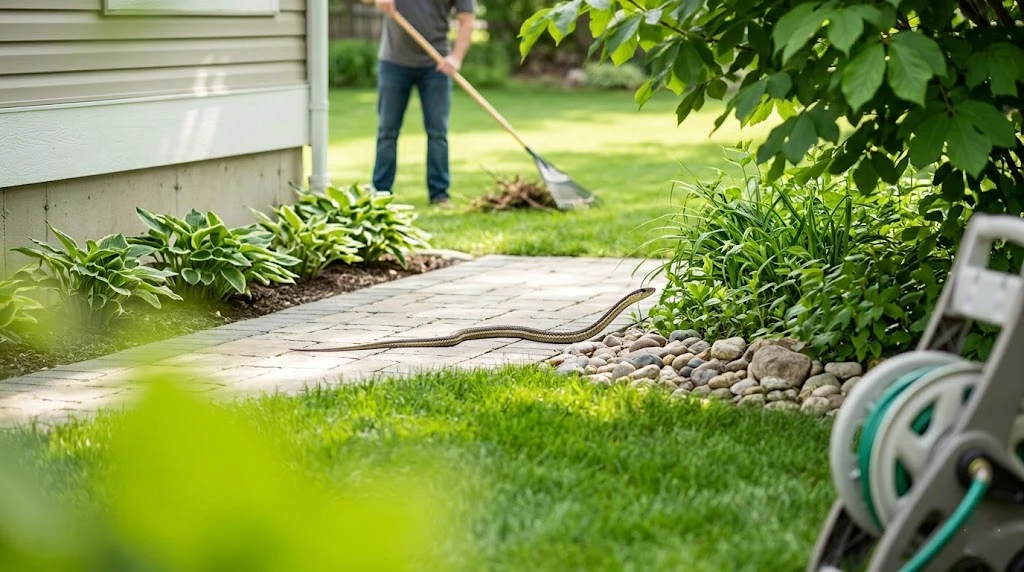
To get rid of snakes and keep them away, remove their food source by controlling rodents and insects. Cut tall grass, clear heavy brush, and remove rock piles where they hide. Seal home foundation cracks larger than a quarter inch, and use snake-proof fencing to protect your yard permanently.
Finding a snake slithering through your grass or resting on your porch can instantly make your heart race. You are not alone if your first reaction is to panic. Many homeowners deal with unwanted reptiles in their yards every single year. Fortunately, you do not have to live in fear or share your property with these legless visitors. Learning how to get rid of snakes and keep them away is mostly about understanding what brings them to your home in the first place. Once you know what they want, you can change your environment to ensure they never want to come back.
Snakes usually visit your yard for two simple reasons: they want food, or they need a safe place to hide. If your property offers cozy shelter and a steady supply of pests to eat, snakes will view your home as a perfect paradise. By taking away these invitations, you can gently force them to move on to somewhere else. This complete guide will show you exactly how to clean up your yard, seal your house, and implement humane strategies to protect your family and pets.
Eliminate Their Favorite Food Sources
You cannot permanently solve a snake problem without addressing what they eat. If you see snakes on your property, you likely have an underlying pest issue that needs your attention. Snakes are carnivores that hunt constantly, so a yard full of food acts like a giant neon sign pointing right to your home.
Mice and rats are the absolute favorite meals for larger snake species. If your property has old woodpiles, cluttered sheds, or open trash cans, you are probably attracting rodents without realizing it. When you eliminate mice and rats, the snakes lose their main reason to stay around and will quickly seek out a better hunting ground.
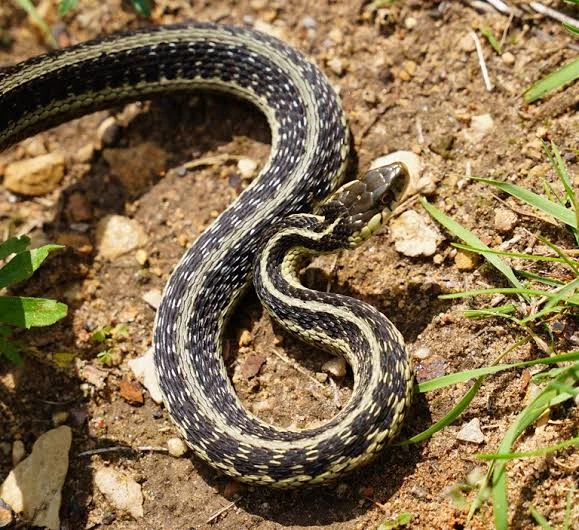
Smaller reptiles, like garter snakes, prefer eating insects, slugs, frogs, and grasshoppers. Keeping your garden free of common insects and draining stagnant water where frogs breed will significantly reduce the food supply for these smaller snake species. Always fix leaking outdoor spigots and remove birdbaths that splash too much water onto the ground, since standing water attracts both the snakes and their prey.
Clear Out Lawn Clutter and Shelter
Snakes are cold-blooded creatures, which means they rely on their surroundings to control their body temperature. They need cool, dark places to hide from the scorching midday sun and safe spots to escape from natural predators like hawks and owls. A messy yard gives them an endless supply of perfect hiding spots.
Tall grass is the most common invitation you can give to a snake. When you let your lawn grow wild, you provide a perfect canopy that shields them from view while they travel through your yard. Make a commitment to mow your lawn frequently and trim down weeds along your property lines to make your yard much less appealing to them.
Landscaping choices also play a huge role in attracting or repelling these pests. Large rock piles, hollow logs, and low-growing shrubs that touch the ground are ideal snake apartments. Swap out heavy, thick groundcover plants for open mulch, and elevate any stored firewood at least one foot off the ground to keep the area underneath visible and sunny.
Seal Up Your House Foundation and Crawl Spaces
An outdoor snake is an annoyance, but a snake inside your house is a true nightmare. Snakes can squeeze through surprisingly tiny gaps, especially smaller species or young offspring. Any opening larger than a quarter of an inch is a potential entryway into your basement, crawl space, or living room.
Walk slowly around the entire perimeter of your home and inspect the foundation carefully. Look for cracks in the concrete, gaps around outdoor plumbing pipes, and spaces where utility lines enter the building. Use a high-quality silicone caulk or expanding foam mixed with steel wool to pack these openings tight, as rodents cannot chew through steel wool and snakes cannot push past it.
Pay close attention to your doors and windows as well. Install tight-fitting weather stripping on all exterior doors, including your garage door. Check your basement window screens for small rips or tears, and make sure your crawl space vents have intact, heavy-duty wire mesh covers to block any slithering intruders from entering your dark crawl spaces.
Implement Smart Yard Changes and Barriers
If you live near a wooded area, a creek, or an open field, you face a higher risk of regular snake encounters. In these situations, you might want to install a specialized physical barrier to block them from entering your main living areas. A dedicated snake-proof fence is an incredibly effective tool for long-term protection.
A proper snake fence looks different from a standard privacy fence. It should be made of solid material or a very tight wire mesh that measures a quarter-inch or smaller. The fence must tilt outward at an angle to prevent snakes from climbing over the top. Most importantly, you must bury the bottom of the fence at least six inches into the soil so snakes cannot dig or squeeze underneath it.
You can also use natural deterrents to make your yard less comfortable for them. Snakes have a highly sensitive sense of smell that they use to navigate the world. Planting strong-smelling herbs like marigolds, lemongrass, and garlic around your patio can create a natural scent barrier that snakes prefer to avoid entirely.
Know When to Call a Wildlife Professional
Most common backyard snakes are completely harmless, non-venomous species that simply want to be left alone. However, you must always prioritize safety if you cannot confidently identify the snake you are dealing with. Venomous snakes require a completely different level of caution and respect.
Never attempt to catch, corner, or kill a snake yourself. Most snake bites happen when an untrained homeowner tries to attack or handle a snake with a shovel or a stick. Snakes generally only strike when they feel trapped and terrified, so giving them plenty of space is your safest option.
If you know you have a venomous snake on your property, or if a snake has managed to crawl inside your walls, call a professional wildlife relocation service immediately. These experts have the proper tools and heavy protective gear to safely trap and remove the animal without causing harm to your family or the snake itself.
Conclusion
Learning how to get rid of snakes and keep them away does not require harsh chemical treatments or cruel traps. By focusing on simple, natural adjustments, you can easily turn your property into an unwelcoming zone for reptiles. Keep your lawn mown tight, clear away old debris piles, and take care of any underlying mouse or insect problems to remove their food supply. When you combine a clean yard with a tightly sealed home foundation, you create a safe environment where your family can enjoy the outdoors without any sudden, scary surprises.
