

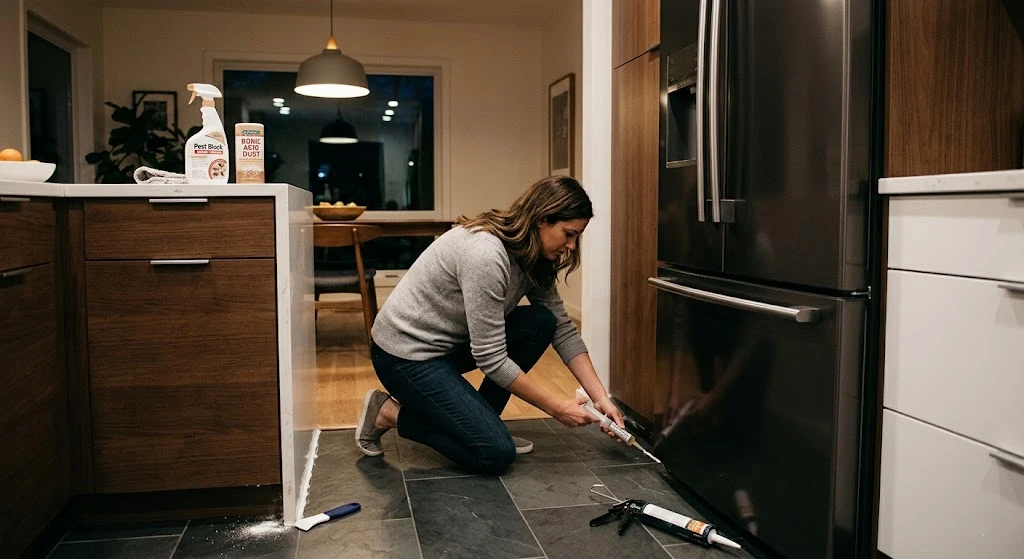
How To Get Rid of Roaches To get rid of roaches, start by eliminating food and water sources, then apply gel bait or boric acid in high-traffic areas. Seal cracks and crevices with caulk to block entry points. For severe infestations, combine multiple treatments or contact a licensed pest control professional.
Spotting a roach skittering across your kitchen floor is one of the most unsettling things a homeowner can experience. If you want to know how to get rid of roaches, the short answer is this: you need a combination of good hygiene, targeted treatments, and sealing off entry points. One method alone rarely works. But the right strategy, applied consistently, absolutely does.
Why Roaches Are So Hard to Eliminate
Before you reach for a spray can, it helps to understand what you’re dealing with. Roaches are built to survive. They can go weeks without food, reproduce at an alarming rate, and flatten their bodies to squeeze into gaps you’d never think to check. On top of that, many common over-the-counter sprays have become less effective over time because cockroaches have developed resistance to certain pesticides.
Their behavior makes them tricky too. Roaches are nocturnal by nature, which means you’re only seeing a fraction of the actual population when you spot one during the day. If cockroaches are showing up in daylight, it often means the infestation is already large enough that they’re being pushed out of their hiding spots.
Understanding this helps you treat the problem at its root — not just spray at the ones you can see.
How To Spot the Warning Signs Early
Catching an infestation early makes it far easier to handle. Most roaches spend the majority of their lives hidden behind appliances, inside cabinets, and along plumbing — so you have to know what to look for beyond actually seeing one.
Roach droppings are one of the first clues. They look like tiny black specks or coffee grounds scattered along baseboards, inside cabinet corners, and near your stove or refrigerator. The more droppings you find, the larger the infestation likely is.
You might also notice egg casings, called oothecae. These are small, brownish, bean-shaped capsules that each contain up to 40 developing roaches. Finding even one of these means they’re actively breeding in your home.
A strong, musty odor that smells like damp cardboard or stale grease is another red flag. Roaches release pheromones that build up over time, and the smell gets worse as the infestation grows. Trust your nose — if something smells off in a cabinet or under the sink, take a closer look.
Start With a Deep Clean and Remove Attractants
The single most important step in roach control is removing what draws them in the first place. Roaches come looking for three things: food, water, and shelter. Cut off access to all three, and you make your home dramatically less inviting.
Wipe down counters every night without fail. Even small grease splatters and crumbs are a feast for cockroaches. Store all food — including pet food — in airtight containers. Cardboard boxes and loose packaging are easy for roaches to chew through, so transferring pantry items to sealed plastic or glass containers makes a real difference.
Fix any leaking pipes or faucets immediately. Roaches need moisture to survive, and even a slow drip under the sink is enough to sustain a colony. Reduce clutter in storage areas like closets and basements, since roaches breed and hide in dark, cramped spaces. Getting rid of old paper bags, stacked cardboard boxes, and piles of newspapers removes prime real estate for them.
The Most Effective Treatments for Killing Roaches
Gel Bait
Gel bait is widely considered one of the most effective roach treatments available. It comes in a syringe and gets applied in small, pea-sized drops in areas where roaches travel — behind appliances, along cabinet hinges, and under the sink. Roaches are attracted to the bait, consume it, and die within hours. They also carry the toxin back to the nest, which helps eliminate roaches you never see.
One important thing to remember: do not use aerosol sprays near gel bait. The repellent effect of sprays will drive roaches away from the bait entirely, making it useless.
Boric Acid
Boric acid has been used to kill roaches for decades and remains one of the most reliable options available. It works by sticking to the roach’s body as it walks through the powder, then getting ingested when the roach grooms itself. Because it isn’t repellent, roaches walk right through it repeatedly without avoiding it.
Apply boric acid in a thin, even layer under appliances, along the backs of cabinets, and in cracks where roaches travel. A popular DIY method is to mix boric acid with an equal amount of powdered sugar, which lures the roaches in. Keep it away from pets and children, and use it sparingly — a light dusting works better than a thick pile, which roaches will simply walk around.
Diatomaceous Earth
Diatomaceous earth (DE) is a natural, food-grade powder made from fossilized algae. It works mechanically — the microscopic sharp particles pierce a roach’s exoskeleton and cause it to dehydrate and die. It’s non-toxic to humans and pets when used correctly, making it a popular choice for households with kids or animals.
Apply DE in thin layers in tight spaces like wall voids, behind cabinets, and in attics or crawl spaces. It loses effectiveness when it gets wet, so keep it away from moist areas under sinks unless those areas are properly dried first.
Roach Traps
Sticky traps don’t kill roaches on their own, but they serve an important purpose: monitoring. Placing them in corners, along baseboards, and near appliances tells you where the heaviest activity is, so you can focus your treatments more precisely. Check the traps every few days and replace them regularly.
Aerosol Sprays
Aerosol sprays are fast and satisfying when you see a roach, but they have real limits. They work well for directly treating a single roach on contact, but they don’t solve an infestation. They leave a residue that needs to be wiped up and, as mentioned, they can actually drive roaches away from areas you’ve baited. Use them sparingly and strategically, not as your main weapon.
Natural Remedies That Actually Work
If you prefer to avoid harsh chemicals, several natural options can help — especially for smaller problems or as a supplement to other treatments.
Baking soda mixed with sugar works on a similar principle to boric acid bait. The sugar lures roaches in, and the baking soda reacts with their digestive system once ingested, killing them. Sprinkle the mixture near known hiding spots and refresh it every few days.
Essential oils like peppermint oil and bay leaves have been shown to act as natural repellents. Wiping down surfaces with diluted peppermint oil or placing bay leaves inside cabinets won’t eliminate an existing infestation, but they can help discourage roaches from setting up in areas you’ve already cleaned and treated.
Catnip, surprisingly, contains a compound called nepetalactone that roaches find repellent. Small sachets of dried catnip placed in cabinets and drawers offer a low-effort, non-toxic deterrent — just keep in mind that your cat may have other opinions about this plan.
Seal Entry Points and Block Their Access
Killing the roaches inside your home is only half the battle. If you don’t seal off where they’re coming from, new ones will keep finding their way in.
Use silicone-based caulk to seal cracks around baseboards, behind electrical outlets, along plumbing pipes, and in any gaps where walls meet the floor. Pay close attention to the kitchen and bathroom, where pipes enter through walls and floors — these are the highways roaches use to travel between units in apartments or enter from outside.
Install door sweeps on exterior doors and ensure window screens are intact and free of holes. Check where utility lines enter your home and foam-seal any gaps. These fixes cost very little but make a significant long-term difference in keeping roaches out.
When To Call a Pest Control Professional
There’s no shame in calling a professional, and in many cases, it’s the most practical choice. If you’ve tried multiple treatments over several weeks and still see heavy activity, or if you’re dealing with a German cockroach infestation — the most common and most difficult species to eliminate — professional help is often the fastest and most cost-effective route.
Pest control professionals have access to stronger formulations, know exactly where to treat, and can identify hidden harborage areas that most homeowners miss. Some infestations, especially in multi-unit buildings, simply can’t be fully resolved without coordinated treatment across multiple units.
Be cautious with “bug bombs” or total-release foggers. Studies have shown they’re largely ineffective because they don’t penetrate the cracks and crevices where roaches hide, and they can expose your home to unnecessary levels of insecticide.
How To Keep Roaches From Coming Back
Getting rid of roaches is a real win, but keeping them gone takes ongoing effort. Make nightly kitchen cleanup a habit — even quick wipe-downs of stovetops and counters make a difference. Take out trash regularly, keep recycling bins away from food areas, and avoid letting dishes soak overnight in standing water.
Every few months, do a sweep of common hiding spots with a flashlight and check under appliances, inside cabinet hinges, and along plumbing for any early signs of activity. The earlier you catch a new problem, the easier it is to handle before it grows.
Maintaining low moisture levels in your home also goes a long way. Run bathroom exhaust fans, fix any new leaks right away, and keep cabinets under sinks dry and well-ventilated.
Conclusion
Getting rid of roaches for good takes a layered approach — cleaning up attractants, applying the right treatments in the right places, and sealing off entry points so they can’t come back. The good news is that with consistency, it works. Start with a deep clean, apply gel bait or boric acid where roaches travel most, and seal every gap you can find. Give it two to three weeks and monitor closely. If things aren’t improving, bring in a professional. Your home can absolutely be roach-free — it just takes the right plan and a little persistence.
