

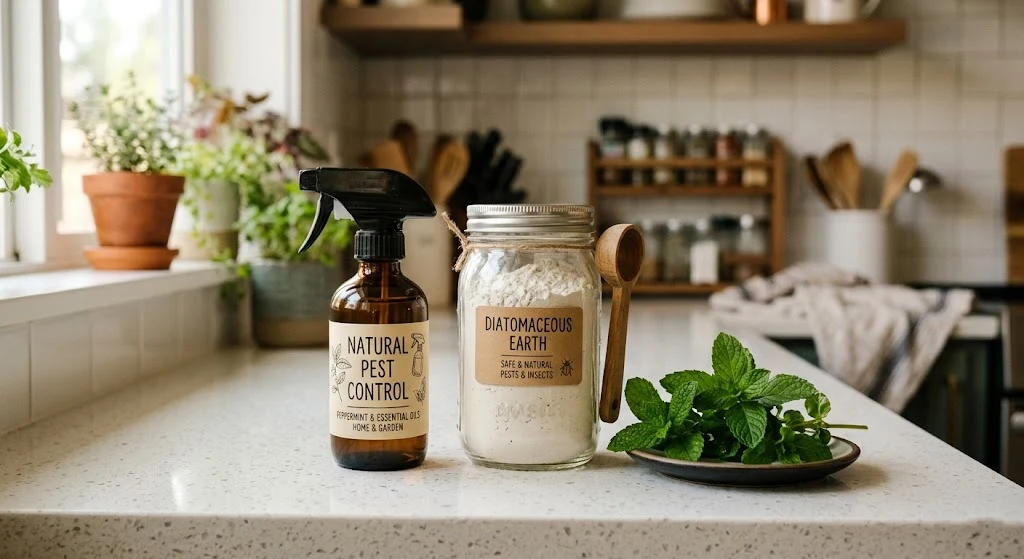
DIY pest control methods involve sealing entry points, removing food and moisture sources, using natural repellents like peppermint oil and diatomaceous earth, and setting simple traps. When combined consistently, these steps prevent and manage most common household pest problems without the need for harsh chemical treatments.
Dealing with pests at home is frustrating — and expensive if you call a professional every single time. The good news is that most common pest problems can be handled on your own with a little knowledge and the right approach. DIY pest control methods are not only cost-effective but, when done right, can be just as powerful as anything a hired exterminator brings to your door.
This guide walks you through everything you need to know: how to stop pests from getting in, how to drive them out naturally, and when it finally makes sense to pick up the phone.
Why DIY Pest Control Makes Sense for Most Homeowners
Professional pest control services can cost hundreds of dollars per visit. For many common infestations — ants in the kitchen, fruit flies near the sink, spiders in the corners — you simply do not need that level of intervention.
Beyond the cost, many commercial pesticides contain chemicals that can be harmful to children, pets, and the beneficial insects your garden depends on. A targeted DIY approach lets you address the problem directly without turning your home into a chemical zone.
The key is understanding that pest control is not a one-and-done task. It is a combination of prevention, targeted treatment, and consistent follow-up. Think of it less like a single battle and more like keeping a clean, well-maintained house.

Start With the Most Important Step: Seal Entry Points
Before you spray, trap, or sprinkle anything, do a thorough inspection of your home’s exterior. Pests do not appear out of thin air — they walk through gaps you have not noticed yet.
Mice can squeeze through an opening the size of a dime. Ants and cockroaches slip through the thinnest cracks in a foundation wall. Even wasps can enter through a gap smaller than a quarter inch around a vent or window frame.
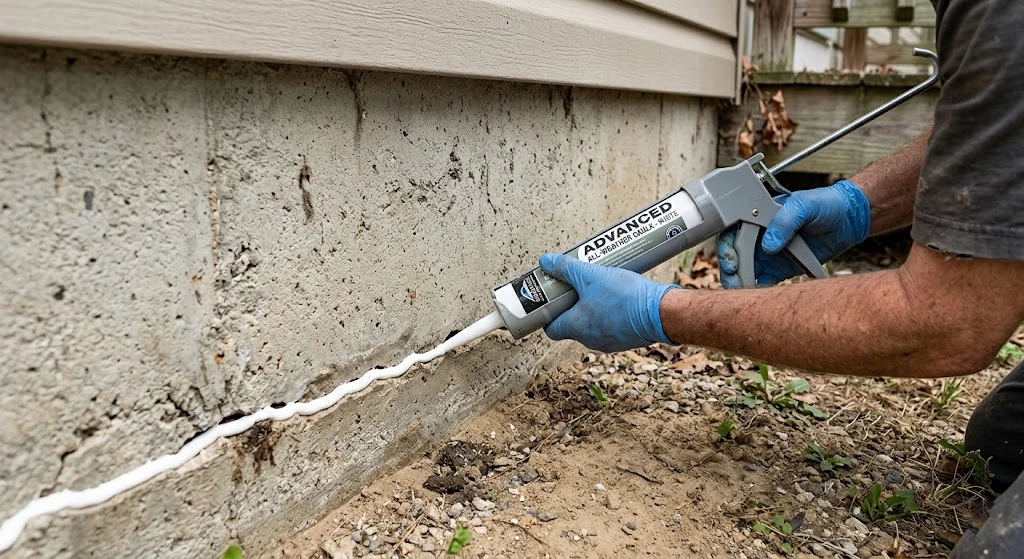
Walk around the outside of your home and look for cracks near the foundation, gaps around utility pipes, spaces under doors, and any loose window screens. Use caulk for small cracks, weatherstripping for door gaps, and steel wool packed into larger openings around pipes. Steel wool is particularly good because rodents cannot chew through it.
Inside, check where plumbing enters under sinks, around baseboards, and where walls meet the floor. These quiet corners are highway exits for pests. Sealing them cuts off access before you ever need a trap.
Remove What Pests Are Actually Looking For
Pests come indoors for three things: food, water, and shelter. Take those away, and your home becomes far less attractive than your neighbors’.
Start in the kitchen. Store dry goods like flour, rice, and cereals in airtight containers rather than the original paper or cardboard packaging. Pantry moths and weevils are expert at getting into loosely sealed bags. Wipe down counters every night, sweep up crumbs, and never leave dirty dishes sitting in the sink overnight.
Moisture is just as big a draw as food. Fix any dripping faucets under sinks, repair leaky pipes, and run a dehumidifier in damp basements or crawl spaces. Cockroaches and silverfish thrive in humid conditions, and eliminating that moisture directly impacts their ability to survive in your home.
Clutter is the third piece. Stacks of cardboard boxes, old newspapers, and cluttered storage areas give pests ideal hiding and breeding spots. Reducing clutter — especially in garages, basements, and attics — removes much of the shelter they depend on.
Natural DIY Pest Control Methods That Work
Once your home is sealed and cleaned up, you can use natural treatments to repel or eliminate pests that are already present.
Diatomaceous Earth
Food-grade diatomaceous earth is one of the most reliable natural pest killers available. It is a fine powder made from fossilized algae, and it works by damaging the outer shell of insects, causing them to dry out and die. It is completely non-toxic to humans and pets.
Sprinkle a thin layer along baseboards, behind appliances, in cabinet corners, and any area where you have seen pest activity. It works on ants, cockroaches, fleas, and a range of crawling insects. After application, leave it undisturbed for several days before vacuuming. Reapply after cleaning or if it gets wet, since moisture reduces its effectiveness.
Peppermint Oil and Essential Oil Sprays
Peppermint oil is a genuinely effective deterrent for ants, spiders, and even mice. The strong scent disrupts the chemical signals pests use to navigate and communicate. Mix about 20 drops of peppermint essential oil with water in a spray bottle and apply it around entry points, along windowsills, and behind appliances.
Eucalyptus oil works similarly for dust mites and fleas. Citrus oil, made by steeping orange or lemon peels in white vinegar for two weeks and then diluting with water, is a great all-purpose spray that keeps ants and spiders away from baseboards and door frames.
These sprays need to be reapplied every few days to stay effective, especially in high-traffic areas.
White Vinegar for Ant Trails
When ants find a food source, they leave an invisible chemical trail for others to follow. Spraying a solution of equal parts white vinegar and water along their visible trails and entry points breaks up that scent road and confuses them.
It does not kill ants outright, but it disrupts their organization and makes your home a much less efficient hunting ground. For active colonies close to the home, combine vinegar spraying with a bait made from equal parts baking soda and sugar placed near the nest.
Boric Acid and Borax
Boric acid is one of the most time-tested tools in the DIY pest control toolkit. It is effective against cockroaches, ants, and silverfish. When insects walk through boric acid powder, it sticks to their bodies and eventually damages their digestive system and outer shell.
Apply it as a thin, barely visible layer in areas where pests travel — behind the refrigerator, under the stove, along the back of cabinet shelves. Thick piles are counterproductive because pests will simply walk around them. A dusting so light you can barely see it is more effective than a visible barrier.
Keep boric acid away from areas where children and pets can reach it, and always wash your hands after handling it.
Smart Trapping Strategies
Natural repellents are great for deterrence, but if you already have an active problem, you need traps to reduce the population quickly.
For rodents, snap traps remain the most reliable option. Place them perpendicular to walls, since mice and rats naturally travel along edges rather than open floor space. Peanut butter is a better bait than cheese — it stays in place and the scent carries well. Check traps daily and reset them promptly.
Sticky glue traps work well for cockroaches, spiders, and even small rodents. Place them in dark corners, behind furniture, and along the backs of cabinets. They also serve as excellent monitoring tools to tell you where pest activity is highest.
For fruit flies, a simple homemade trap works surprisingly well. Fill a small glass or jar with apple cider vinegar and add a few drops of dish soap, which breaks the surface tension. Cover the top with plastic wrap and poke a few small holes in it. Fruit flies are drawn to the vinegar and cannot escape once they enter.
Outdoor and Garden Pest Control
Managing pests outside your home reduces the pressure on your interior significantly. Keep bushes and tree branches trimmed back so they do not touch the house — these act as natural bridges for insects and rodents to cross onto your walls and into gaps.
Clear gutters of debris regularly. Standing water in clogged gutters is a prime breeding ground for mosquitoes. Fix any areas in the yard where water pools after rain.
For slugs in the garden, shallow dishes filled with beer set into the soil work remarkably well. Slugs are drawn to the fermented yeast, fall in, and drown. Empty and refresh the dishes every day or two.
Bay leaves tucked into pantry shelves, flour containers, and dry goods storage naturally repel weevils, pantry moths, and even cockroaches. It is an old-fashioned trick that genuinely works and leaves your pantry smelling pleasantly herbal.
When DIY Pest Control Is Not Enough
Most minor pest problems respond well to the methods above. But there are situations where calling a licensed professional is the right move and the smart one.
If you see signs of a termite infestation — hollow-sounding wood, discarded wings near windows, or mud tubes along the foundation — do not delay. Termites cause structural damage that worsens rapidly, and effective treatment requires professional-grade tools and expertise.
Large rodent infestations, bed bugs, and venomous spider species like black widows or brown recluses also fall outside the safe territory of DIY treatment. These situations carry real health and safety risks that go beyond what a spray bottle or trap can manage.
A good rule of thumb: if you have tried consistent DIY methods for two to three weeks without seeing improvement, or if the problem is clearly worsening, it is time to bring in a professional. There is no shame in knowing the limits of what you can tackle alone.
Keeping Pests Away for Good
The most effective pest control is the kind that prevents problems from starting. Once you have sealed entry points and addressed moisture and food sources, maintaining those habits over time will keep the vast majority of pests out of your home year-round.
Do a quick exterior inspection each spring and fall, reapply natural repellents monthly in problem areas, and stay consistent with cleanliness in the kitchen and storage spaces. These small, regular habits build a level of protection that no single treatment can match.
DIY pest control methods work best not as a one-time fix, but as a lifestyle — a set of smart, simple practices that make your home an unwelcoming place for anything that was not invited in.
