

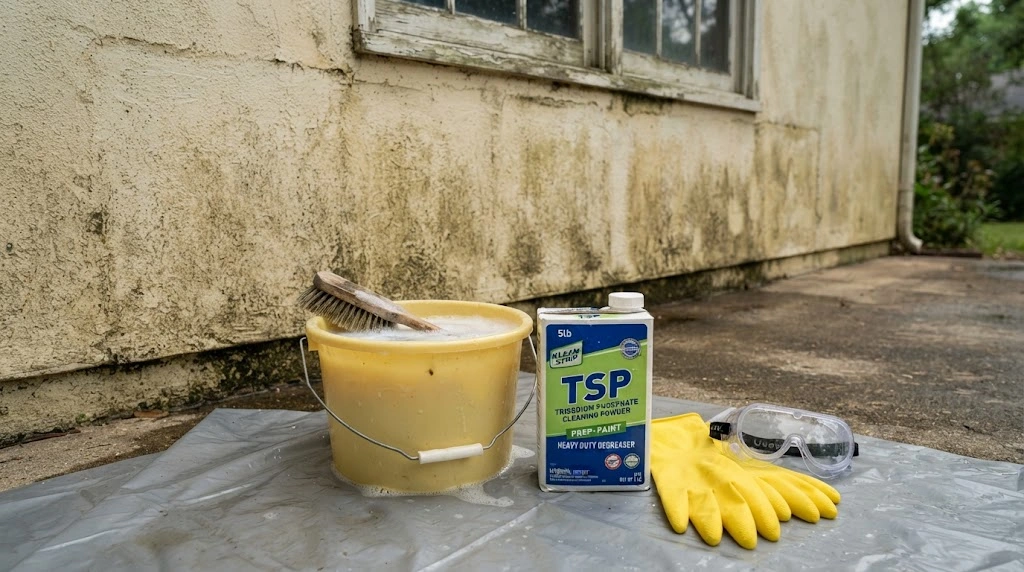
Got a grimy exterior wall, a grease-caked kitchen corner, or peeling paint that needs to go? Trisodium phosphate — better known as TSP — has been the go-to heavy-duty cleaner for these jobs for decades. It’s cheap, it’s powerful, and it can cut through messes that leave ordinary cleaners helpless.
But TSP isn’t a cleaner you should reach for without knowing the facts first. It’s a strong chemical with real risks to your health, your home’s surfaces, and the environment. Before you mix up a batch, it’s worth understanding exactly what TSP does, where it shines, where it can cause damage, and which safer alternatives might get the job done instead.
This guide breaks down everything you need to know about TSP — from its chemical makeup to safe handling, disposal, and buying tips — so you can decide whether it belongs in your cleaning toolkit.
What Is TSP, Exactly?
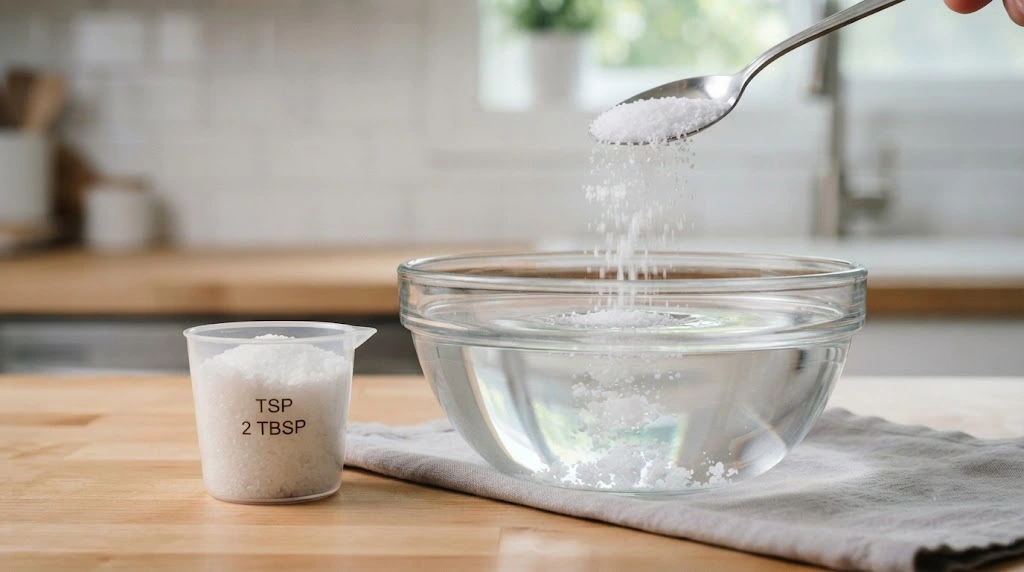
Trisodium phosphate is an inorganic compound with the chemical formula Na₃PO₄. In its raw form, it looks like a white granular or crystalline powder, similar in appearance to coarse salt or sugar.
When you dissolve TSP in water, it creates a strongly alkaline solution — meaning it sits on the opposite end of the pH scale from acids like vinegar. That high alkalinity is exactly what makes it such an effective degreaser, cleanser, and stain remover. It’s also commonly used to prep painted surfaces before refinishing, since it can strip gloss from paint and loosen flaking or peeling sections in one pass.
Most commercial TSP products aren’t 100% pure. They’re typically a blend of:
- 75–80% trisodium phosphate
- 20–25% sodium carbonate (washing soda)
This combination boosts cleaning power while keeping the product stable. Because TSP powder absorbs moisture from the air, it should always be stored in a sealed container in a cool, dry spot to prevent clumping.
While cleaning is its most familiar job, TSP shows up in a surprising number of other places. Food manufacturers use small, regulated amounts of it in products like cereal to improve texture and extend shelf life. It’s also used to balance pH levels in swimming pools and even in some toothpaste formulas, as well as to prep metal for painting or strip away rust.
Is Trisodium Phosphate Safe to Use?
TSP earns its reputation as a powerhouse cleaner, but that strength comes with trade-offs. It’s classified as a toxic substance, capable of harming people, pets, plants, and aquatic life — and it can be just as tough on your home’s surfaces as it is on grime.
Health Risks to Know Before You Start
Even diluted TSP solutions can cause serious eye injury and skin irritation on contact. Swallowing or inhaling it — whether as dry powder or airborne mist from a spray — can also cause harm.
Before mixing or applying TSP, gear up with:
- Long sleeves and pants
- Waterproof gloves
- Safety goggles
- A respirator or well-fitted mask
This protective setup limits skin contact and cuts down on the amount of TSP dust or vapor you breathe in. For the full safety rundown, check the Safety Data Sheet (SDS) that comes with your specific product — formulations can vary by brand.
The Environmental Downside
TSP used to be a standard ingredient in household detergents and cleaners through much of the 20th century. That changed once researchers linked phosphate runoff to eutrophication — a process where excess phosphates wash into lakes and rivers and trigger explosive algae growth. As the algae die off and decompose, they consume the oxygen fish and other aquatic life depend on, often with devastating results for local ecosystems.
Because of this, many states and municipalities now restrict or fully ban TSP sales and use. Rules vary widely by location, so check with your state’s Environmental Protection Agency, local health department, or Department of Natural Resources before you buy or apply it.
If you do use TSP outdoors, protect nearby plants:
- Pick a calm, windless day to avoid overspray drifting onto landscaping
- Thoroughly hose down nearby foliage before you start
- Rinse plants again once you’re finished to wash away any residue
Surfaces TSP Can Damage
TSP is not an all-purpose cleaner — its high alkalinity makes it corrosive to several common household materials, including:
- Bathroom fixtures: Metal fixtures can corrode, tarnish, or develop pitting over time
- Metal pipes and drains: Repeated exposure can weaken metal components and eventually cause leaks
- Glass and ceramic: Mirrors, shower doors, and tile can etch and turn permanently cloudy or dull
- Porcelain and enamel: The protective glaze can wear away, leaving surfaces rough, porous, and prone to future staining
- Grout: TSP can break down and crumble grout over time, even though it’s sometimes used in dedicated grout-removal products
- Painted or varnished wood: TSP can strip finishes entirely, leaving bare wood warped or discolored underneath
Pro tip: For sinks and fixtures you want to keep looking new, skip the harsh chemicals altogether. A gentler approach — liquid dish soap, a mild all-purpose cleanser, or a fine abrasive like baking soda with plenty of water — is usually enough for routine scrubbing. Strong chemicals like TSP or bleach can react with other substances and damage finishes, even on supposedly tough materials like stainless steel.
Where TSP Actually Earns Its Reputation
Despite the risks, TSP remains genuinely unmatched for certain jobs. Used carefully and with proper precautions, it’s especially effective for:
- Exterior surface cleaning: Cuts through built-up dirt, grease, soot, and stains on masonry (brick, stone, concrete), wood decks and siding, and roofing materials
- Paint preparation: De-glosses painted surfaces and loosens old, flaking paint so new coats adhere properly
- Heavy grease removal: Tackles the thick, sticky buildup that collects behind appliances like stoves and refrigerators
- Grout removal (with caution): Acts as a key ingredient in commercial grout-removal products, though it can damage surrounding tile if not applied carefully
- Mold and mildew removal: Can be combined with bleach (using the ratio below) for a powerful mold- and mildew-fighting solution
For a real-world example, professional painters often use a TSP-and-bleach mix to prep aluminum siding before repainting — the bleach kills mildew spores while the TSP breaks down old paint residue, leaving a clean surface that’s ready for a fresh coat.
How to Use TSP Safely: Step-by-Step
Before you begin, always read the manufacturer’s label and safety instructions in full, and suit up in proper protective gear. Work in a well-ventilated space, use only as much TSP as the job requires, and never mix it with other cleaning chemicals except in the specific bleach combination described below.
Mixing and Applying TSP
- Dissolve TSP in warm water. A standard cleaning solution is roughly ½ cup of TSP per 2 gallons of water, which should look slightly cloudy and have little to no odor.
- For mold and mildew, mix a stronger batch: 1 cup of TSP with 3 quarts of warm water and 1 quart of chlorine bleach.
- Apply the solution using a spray bottle, stiff scrub brush, or sponge, working in manageable sections.
- Let it sit on the surface for 10–20 minutes to break down grime.
- Rinse thoroughly with clean water to remove all TSP residue.
- Repeat as needed for stubborn stains or heavy buildup.
Storing and Disposing of TSP Responsibly
Keep unused TSP in its original, labeled container, stored somewhere cool and dry and out of reach of children and pets.
When it’s time to get rid of leftover product, check your local household hazardous waste (HHW) rules — TSP’s corrosive nature means many areas treat it differently from regular trash. Contact your city or county’s environmental or solid waste department to find nearby HHW drop-off sites or scheduled collection events.
A few disposal do’s and don’ts:
- Don’t pour TSP solution or rinse water down the drain or onto plants and lawns
- Do dilute small leftover amounts heavily with water if you need to use them on hardscapes like driveways or sidewalks
- Consider neutralizing the solution’s alkalinity with a mild acid, such as household vinegar, before disposal — though this step may not always be required depending on local rules
Never flush any chemical cleaner down a sink or toilet. Doing so risks contaminating local water supplies, and disposal guidelines exist specifically to prevent that outcome.
Where Can You Buy TSP?
Even though TSP is banned or restricted in a number of states and cities, it’s still available in many areas. Some hardware stores and home improvement centers stock it in powder or liquid form — call ahead or check online inventory to confirm before making a trip.
TSP is also sold through various online retailers. Just be sure to double-check local regulations first; if TSP is banned where you live, look for one of the phosphate-free alternatives below instead. These substitutes are widely stocked both in stores and online.
TSP Alternatives Worth Considering
If TSP feels like overkill for your project — or it’s restricted in your area — several alternatives can deliver solid cleaning power with fewer downsides:
- Phosphate-free “TSP”: Despite the name, this product swaps out phosphates for sodium sesquicarbonate. It’s gentler on the environment but may fall short on heavy grease compared to true TSP.
- Biodegradable cleaners: Brands like Krud Kutter are formulated specifically as TSP substitutes. They tend to be safer for people and ecosystems, though results can vary by brand and mess type.
- Sodium carbonate (washing soda): A strong degreaser in its own right, washing soda handles many of the same jobs as TSP with slightly less caustic power. It can still irritate skin and eyes, so gloves are still a good idea.
- Borax: A naturally occurring mineral with solid cleaning and disinfecting properties. It’s gentler than TSP and works on a range of surfaces, though it won’t cut through heavy grease as effectively.
- Baking soda: A mild, versatile option for lighter grime and everyday stains. It’s safe on most surfaces, making it a good choice when you don’t need industrial-strength cleaning power.
- White vinegar: A natural, inexpensive disinfectant that excels at breaking down mineral deposits and soap scum, though it’s not built for heavy grease or paint prep.
- Commercial degreasers: Many modern degreasers are formulated to rival TSP’s grease-cutting power without the same harsh side effects. Look for labels marked biodegradable and phosphate-free.
The right substitute depends on your specific project. If you’re dealing with light dust or soap scum, something as simple as vinegar or baking soda may do the trick. For heavier grease or paint prep, washing soda or a dedicated biodegradable degreaser is a better match. Whatever you choose, prioritize products that are safe for your household, pets, and local environment — and compatible with the surface you’re cleaning.
Final Thoughts: Is TSP Right for Your Project?
Trisodium phosphate delivers serious cleaning power, handling messes that most other products simply can’t touch. That strength, though, comes paired with real risks — to your health, your home’s surfaces, and the environment around you.
Before reaching for TSP, weigh your options carefully. For many everyday cleaning tasks, gentler alternatives like phosphate-free TSP or plain washing soda will get the job done without the added risk. But for certain heavy-duty jobs — stripping old paint, prepping grimy exteriors, or tackling stubborn mold — TSP may still be your best bet.
If you do decide to use it, take the extra time to follow the manufacturer’s instructions, wear the right protective gear, and check your local regulations for both use and disposal. A little caution up front goes a long way toward getting the results you want without unnecessary harm to yourself, your home, or your surroundings.
