


You’re Probably Overpaying — And It’s Fixable
The average American homeowner pays around $1,900 a year for homeowners insurance — and most never question the number. But premiums aren’t fixed like taxes; they’re a starting bid. Insurers offer dozens of discounts most policyholders never claim, and a few strategic home upgrades can cut your rate by 10–25%. This isn’t about cutting coverage you need — it’s about paying the fair price for the coverage you have. Here are 15 proven ways to lower your homeowners insurance premiums.
Quick Wins: Discounts You Can Claim This Week
1. Bundle Home and Auto
The single biggest easy discount: insuring home and auto with the same company typically saves 10–25% on both. If you haven’t compared bundled quotes in 2+ years, you’re almost certainly leaving money on the table.
2. Raise Your Deductible
Going from a $500 to a $1,000 deductible commonly cuts premiums 10–15%; $2,500 can save 20%+. The logic: insurance is for catastrophes, not $800 repairs. Keep the higher deductible amount in an emergency fund and pocket the annual savings.
3. Ask About Every Discount
Call your insurer and ask directly: “What discounts am I not getting?” Common unclaimed ones: claims-free discount, new-home discount, loyalty discount, paperless billing, autopay, non-smoker, and professional association memberships. This one phone call routinely saves $100–$300/year.
4. Shop Around Every 2–3 Years
Loyalty is rarely rewarded in insurance — rates creep up at renewal while new-customer pricing stays sharp. Get 3–4 quotes every few years (an independent agent can do this for you in one call). Just compare identical coverage limits, or the “cheaper” quote may just be thinner coverage.
5. Improve Your Credit (Insurance Score)
In most states, insurers use a credit-based insurance score to set rates — better credit means lower premiums. Paying bills on time and lowering card balances can move your rate at the next renewal. It’s one more reason good credit pays.

Home Upgrades That Cut Premiums
6. Install Monitored Security
A monitored burglar alarm (one that alerts a central station, not just makes noise) typically earns 5–15% off. Smart water-leak sensors — $30–$50 devices under sinks and near the water heater — prevent the #1 most common claim (water damage) and some insurers now discount for them.
7. Upgrade Smoke and Fire Protection
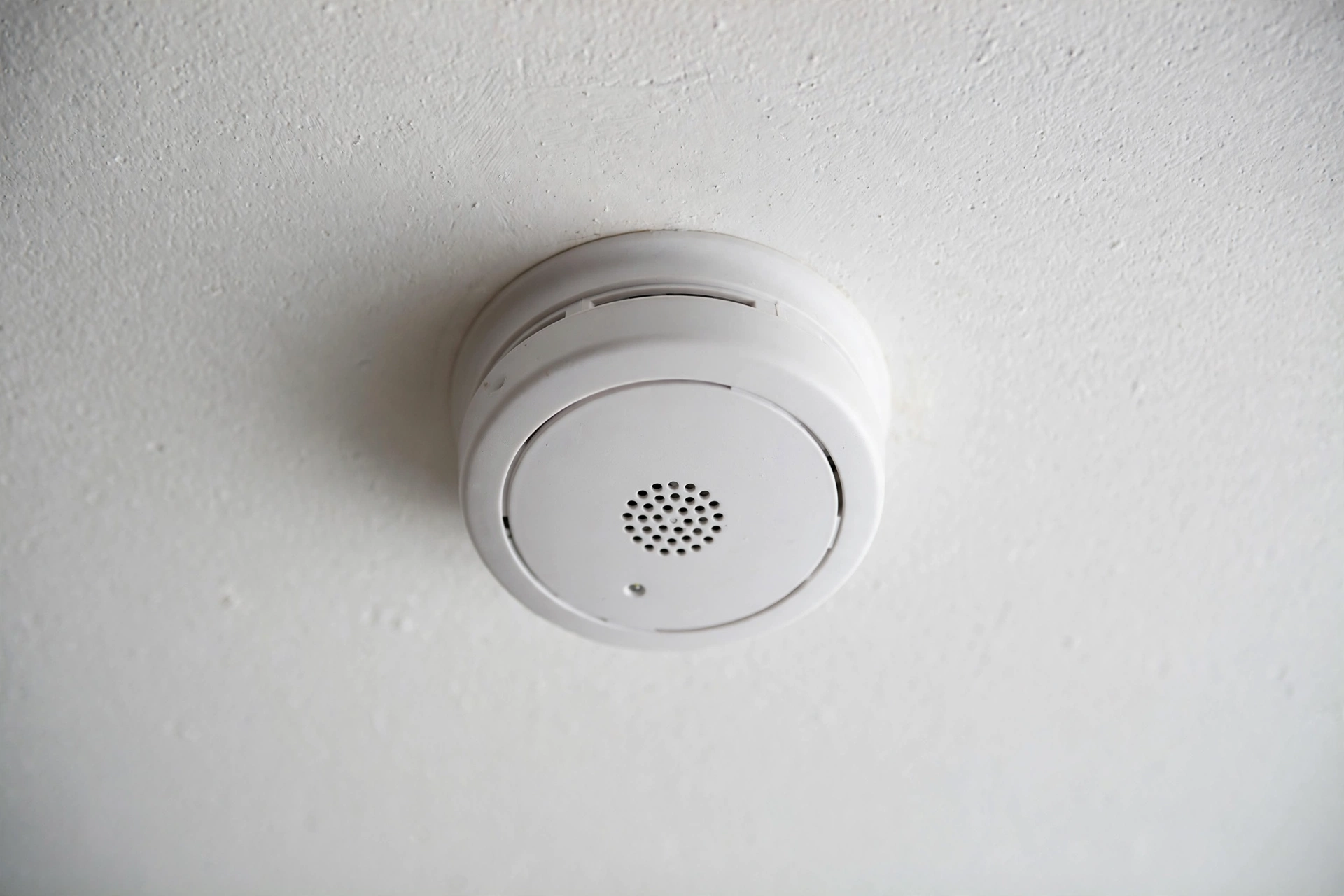
Working smoke detectors on every level are the baseline; monitored smoke alarms and residential sprinkler systems earn deeper discounts (sprinklers can save 10–15% in some states). Fire safety upgrades pay twice — in safety and in premiums. See our space heater safety guide for the fire-prevention habits insurers love to see.
8. Fortify the Roof
The roof is your insurer’s biggest worry — roof claims are frequent and expensive. Impact-resistant shingles, hurricane straps, and a roof under 15 years old all earn discounts (up to 20–35% in storm-prone states). When you re-roof, tell your insurer: the upgrade often pays for itself in premium savings within years.
9. Update Old Systems
Old wiring, plumbing, and HVAC are claim magnets. Updated electrical (no knob-and-tube), modern plumbing, and a newer roof/HVAC can each earn discounts — and insurers in some states surcharge homes with 40+ year-old systems. Keep receipts and permits; you’ll need proof.
10. Winterize Against Freeze Claims
Burst pipes are among the most expensive common claims ($15,000+ average). Insurers notice freeze-protection: pipe insulation, smart thermostats that alert you to temperature drops, and automatic water shutoff valves. Our winterizing checklist covers the exact measures that prevent the claims insurers fear most.
Policy Strategy: Smarter Coverage, Same Protection
11. Don’t Over-Insure the Land
Insure the rebuild cost of the structure — not the market value including land. Land doesn’t burn down. Many homeowners carry 20–30% more coverage than needed because the limit was set from purchase price. Get a rebuild-cost estimate and right-size it.
12. Drop Coverage You Don’t Need
Review riders annually: scheduled jewelry you no longer own, earthquake coverage in a zero-risk zone, or replacement-cost on a 25-year-old roof that’s only worth actual cash value anyway. Every unnecessary rider is pure premium waste.
13. Consider Actual Cash Value vs. Replacement Cost (Carefully)
Replacement cost coverage costs more but pays full rebuild; actual cash value is cheaper but deducts depreciation. For older belongings, ACV may be the rational choice — but for the dwelling itself, replacement cost is usually worth it. Understand the trade-off rather than defaulting.
14. Maintain a Claims-Free Record
Small claims haunt you: two $1,200 claims in three years can raise premiums more than the payouts were worth — and some insurers non-renew after frequent claims. Rule of thumb: don’t file claims under 2–3x your deductible. Pay small stuff out of pocket; save insurance for the big one.
15. Ask About Group and Affinity Discounts
Alumni associations, professional groups, employers, and even warehouse clubs (Costco’s insurance program, for example) negotiate group rates. It takes one question to your HR department or alumni office.
How Claims Actually Work: Filing Without Regret
Understanding the claims process prevents the two classic mistakes — filing too-small claims and botching big ones:
- Document immediately: photos/video of damage before any cleanup, plus an inventory of damaged items.
- Mitigate further damage: tarp the roof, shut off water — insurers can deny the worsened portion if you let damage spread.
- Call before repairing: get the adjuster’s assessment first (emergency mitigation excepted).
- Meet the adjuster prepared: have your documentation, receipts, and contractor estimates ready.
- Don’t accept the first offer blindly: you can negotiate — contractor estimates are your leverage.
- Know your settlement options: actual cash value pays depreciated value now; replacement cost pays the rest after you complete repairs (recoverable depreciation).
Renters: The $15/Month No-Brainer
If you rent, your landlord’s policy covers the building — not your stuff, not your liability. Renters insurance ($12–$20/month) covers your belongings, liability if you damage the unit, and even hotel costs if the place becomes uninhabitable. It’s the highest-value insurance product most people don’t buy. The same shopping principles apply: bundle with auto, raise the deductible, ask about discounts.
What NOT to Do
- Don’t lie on the application — misrepresenting the roof age, wood stove, or home business can void coverage when you need it.
- Don’t drop to state-minimum thinking — homeowners policies aren’t legally mandated minimums like auto; underinsuring means you eat the loss.
- Don’t ignore the fine print on “cheap” quotes — exclusions for water backup, mold, or ordinance upgrades can make a cheap policy expensive at claim time.
- Don’t forget flood and earthquake — standard policies exclude both. If you’re in a risk zone, price separate coverage; if you’re not, don’t pay for it.
When to Re-Shop: Life Events That Change Your Rate
- You paid off the mortgage (lender requirements drop away — you control the terms)
- Retirement (home more often = lower risk; plus retiree discounts)
- Major renovation completed (updated systems = discounts)
- Credit score improved significantly
- Teen driver left for college (auto bundle changes)
- You installed security, leak sensors, or a new roof
Home Inventory: The 1-Hour Task That Saves Claims
After a fire or burglary, insurers ask you to list everything you lost — from memory, while traumatized. Almost everyone underclaims by thousands. Fix it now:
- Walk through each room filming a slow video, narrating major items.
- Photograph serial numbers on electronics and appliances.
- Save receipts for big purchases in a cloud folder.
- Store the inventory offsite (cloud) — a list that burns with the house is useless.
- Update it yearly or after big purchases.
This one hour is the difference between a smooth claim and a fight over what you owned.
Umbrella Insurance: The $300/Year Secret
Standard liability caps ($100k–$300k) are dwarfed by real lawsuit costs. Umbrella insurance adds $1M+ in liability coverage for roughly $200–$400/year — the cheapest meaningful protection in insurance. If you have a pool, trampoline, teenage drivers, or significant assets, it’s close to mandatory. Ask your insurer; most offer it only when you ask.
The Bottom Line
Bundle, raise the deductible, ask about every discount, upgrade fire and water protection, and shop every few years. Most homeowners can cut 15–25% without touching their actual protection — that’s $300–$500 a year back in your pocket for making a few phone calls.
