

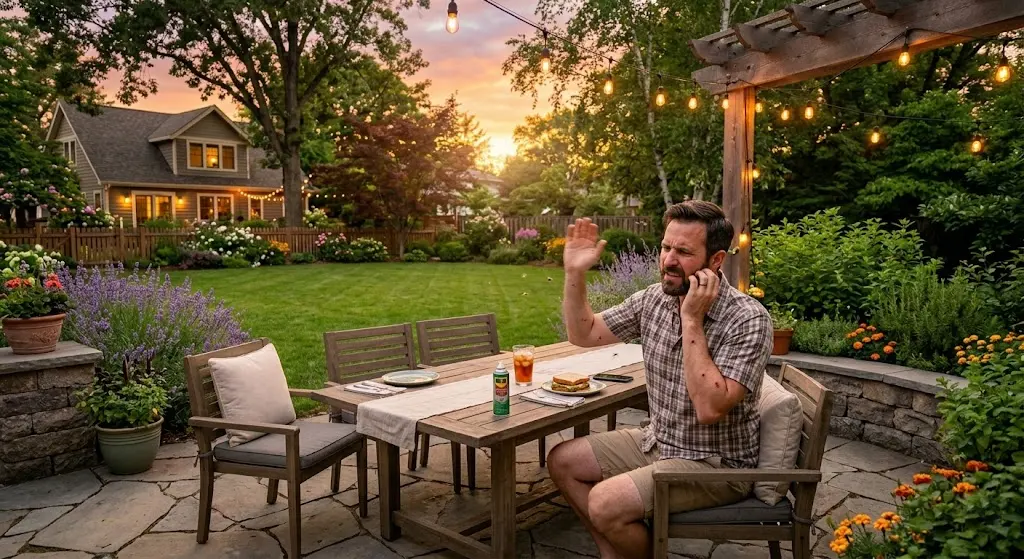
The most effective mosquito control in your backyard starts with eliminating standing water, which is where mosquitoes breed. Combine this with mosquito-repellent plants, larvicides like Bti, and targeted yard sprays for a layered defense that keeps mosquitoes at bay throughout the season.
If you love spending time outdoors, mosquitoes can ruin everything fast. The good news? Effective mosquito control in your backyard doesn’t require calling an exterminator or soaking your yard in chemicals. With the right approach — starting with where mosquitoes breed — you can dramatically cut down their numbers and enjoy your outdoor space again.
Why Your Backyard Is a Mosquito Magnet
Mosquitoes don’t just appear out of nowhere. They’re drawn to specific conditions, and most backyards check all the boxes without homeowners even realizing it.
Mosquitoes need water to breed and complete their life cycle. That’s the single most important thing to understand. Without water, the cycle breaks. Mosquitoes breed in standing water, especially if it stands for at least 7 days. Adult mosquitoes lay their eggs near the standing water, and their young (larvae) develop in the water before emerging to bite.
What makes this tricky is how little water they actually need. Mosquitoes can lay hundreds of eggs even in a tiny spoonful of standing water. A forgotten toy in the yard, a clogged gutter, or even a low spot in your lawn after rain — all of it counts.
There are more than 200 species of mosquitoes in the United States, all of which need standing water to breed and prefer humid conditions. While males feed mostly on plant nectar, females are notorious biters, using our blood for the protein required for egg development.
The more you understand what draws them in, the easier it becomes to push them out.
Start Here: Eliminate Every Source of Standing Water
This is step one, and it’s the most impactful thing you can do. No pesticide or gadget will give you lasting results if you skip this.
The best way to eliminate mosquitoes is to get rid of their breeding habitats. Mosquitoes look for any standing water to lay their eggs, and most backyards have a variety of sites where they can flourish.
Walk your yard with fresh eyes. The ideal breeding sites include areas that are undisturbed or contain stagnant water. These areas could include birdbaths, boats, discarded tires, saucers under flower pots, and buckets.
You can destroy many breeding sites by draining, dumping, or filling them. Dump water from buckets, flowerpot dishes, tarps, and wheelbarrows. If possible, turn over or cover them so they can’t catch more water. Fill holes or low areas with sand or gravel and seal tree holes with expanding foam.
Don’t forget your gutters. Check gutters and downspouts to ensure they are clear of debris, which can cause water to pool. Consider installing French drains or swales to improve yard drainage.
If you have a backyard pond or birdbath you want to keep, you still have options. For backyard ponds, you can stock the pond with small fish that eat mosquito larvae, empty and refill with fresh water once a week, or purchase a pellet designed for larval control.
Use Larvicides for Water You Can’t Drain
Some water features just can’t be removed — rain barrels, decorative ponds, or low-lying areas that stay damp. This is where larvicides come in.
Use a water treatment like mosquito dunks, which contain Bti, a natural bacteria that kills larvae but is safe for pets and wildlife. Without standing water, mosquitoes can’t reproduce, significantly reducing their numbers.
Bti (Bacillus thuringiensis israelensis) is one of the most trusted tools in residential mosquito management. It targets larvae specifically and leaves everything else untouched — your fish, your pets, your garden. Mosquito rings containing Bti can be used virtually anywhere you have standing water — rain barrels, birdbaths, water gardens, ponds, even animal watering troughs.
This is a smart, targeted solution that takes the breeding cycle off the table without spraying your entire yard.
Mosquito-Repellent Plants That Pull Double Duty
Once you’ve tackled standing water, you can add a natural layer of defense using plants. Certain herbs and flowering plants naturally discourage mosquitoes through scent — and they look great doing it.
The best mosquito-repelling plants include citronella grass, lemongrass, lavender, rosemary, catnip, basil, mint, lemon balm, thyme, oregano, marigold, calendula, nasturtium, garlic, and other alliums.
The key is placement. Plant them near people, not just somewhere in the landscape. Putting lavender at the far end of your yard won’t do much for your patio. Place them close to seating areas, walkways, and doorways where you actually spend time.
Citronella is one of the best-known plants that deters mosquitoes and performs very well when planted near sitting locations. Lavender not only smells nice to humans but also naturally repels mosquitoes. Marigolds are a good choice because they contain pyrethrum, which is a common ingredient in natural insecticides.
If you enjoy cooking, this is a win-win. Basil, rosemary, mint, and thyme all belong in the herb garden anyway — and they happen to make mosquitoes uncomfortable in the process.
A Realistic Expectation About Plants
Plants alone won’t solve a serious mosquito problem. Mosquito-repellent plants are helpful garden allies, not a complete mosquito-control system. Think of them as one layer in a larger plan, not the whole solution. When combined with standing water removal and other methods, though, they make a real difference in the overall atmosphere of your yard.
Keep Your Yard Trimmed and Tidy
Mosquitoes don’t just breed in water — they also rest in shady, humid spots during the day. Tall grass, dense shrubs, and leaf piles are all places they love to hide.
Keeping your lawn and shrubs trimmed reduces areas where mosquitoes can hide and breed. This simple habit takes just a few minutes of yard work but removes a lot of the daytime shelter mosquitoes depend on.
Mosquitoes are drawn to areas with more shade, so consider setting up seating areas in places that get more sun. Sunlight and air movement are natural mosquito deterrents. If you can position your patio or sitting area away from dense shade, you’ll notice fewer bites even without any sprays or tools.
Where you put your outdoor furniture matters more than most people think.
Backyard Sprays and Foggers: When and How to Use Them
Sometimes, prevention alone isn’t enough — especially if you’re in an area with high mosquito pressure, or you want to quickly clear your yard before a gathering. This is where targeted sprays and foggers earn their place.
Chemical insecticides can be effective but must be used according to label instructions to ensure safety. For those preferring natural methods, essential oils like eucalyptus and citronella can be applied around seating areas and along walkways to repel mosquitoes.
Residual yard sprays work by treating the resting spots mosquitoes use — the undersides of leaves, grass blades, and shrubs. These can provide weeks of suppression when applied correctly. Foggers are better for immediate, short-term clearing before an outdoor event.
One product category you can skip: ultrasonic pest repellers. Several studies over the past few years have proven ultrasonic pest control devices as ineffective in repelling insects, including mosquitoes. These devices are sold as electronic mosquito repellents, but they ultimately won’t repel mosquitoes the way you want them to. Save your money.
Timing Your Treatments for Best Results
Start early in the season — spring — before mosquitoes breed. Consistent treatments prevent populations from growing out of control.
Mosquitoes are most active at dawn and dusk. Applying yard spray in the early evening, after activity peaks and before nightfall, gives you the best coverage. Avoid spraying right before rain, which will wash treatments away before they have a chance to work.
Long-Term Mosquito Control: Think in Layers
The most effective backyard mosquito management isn’t one big thing — it’s a combination of small, consistent actions that work together. Think of it as a layered system.
Adopting an Integrated Pest Management (IPM) approach combines physical, biological, and chemical methods to control mosquito populations.
The physical layer is removing standing water and keeping your yard tidy. The biological layer is using Bti in water features and planting mosquito-repellent plants. The chemical layer is targeted spraying or fogging when needed — not as a default, but as a tool in the bigger plan.
Instead of spending money on bug zappers, candles, and other mosquito control methods that only provide short-term control, consider making an investment in a long-term solution. Effective mosquito control makes the time you and your family spend outdoors more enjoyable and gives you peace of mind, knowing your family is safe from mosquito-borne illness.
When you build a consistent routine around this layered approach, you’re not just reducing mosquitoes for a day or a weekend — you’re changing the conditions of your yard so mosquitoes have fewer reasons to settle there in the first place.
Conclusion
Mosquito control in your backyard is absolutely achievable — and it doesn’t have to mean saturating your outdoor space with heavy chemicals. The most powerful move you can make is walking your property right now and removing every bit of standing water you find. From there, add repellent plants near your patio, keep your lawn trimmed, treat any water you can’t drain with a Bti product, and use yard sprays strategically when needed.
None of these steps is complicated on its own. But together, they create the kind of backyard where mosquitoes struggle to survive — and where you and your family can finally enjoy being outside without constantly slapping your arms.
Start small, stay consistent, and you’ll see results faster than you might expect.
