

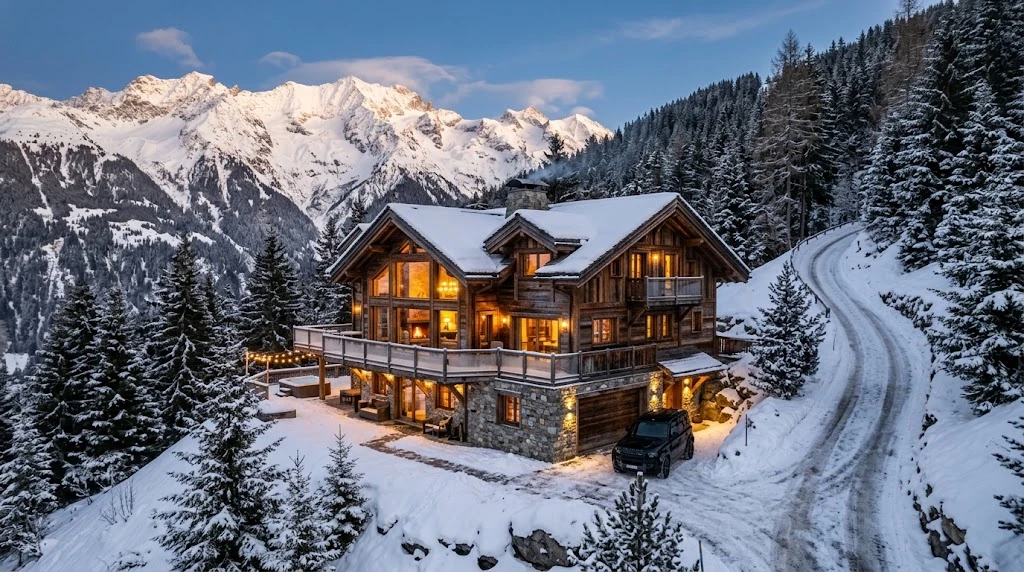
Mountain houses are homes built in or near mountain terrain, designed to handle steep land, heavy snow, strong wind, and big temperature swings. The best ones combine sturdy materials, smart site choice, good insulation, and reliable road access, so they stay safe, comfortable, and affordable to maintain year-round.
Mountain houses are homes built on or near mountain land, and builders shape them to handle steep ground, deep snow, strong wind, and sharp swings in temperature. Whether you dream of a small weekend cabin or a full-time home with a big view, the right location and design make all the difference. A well-planned mountain home feels calm and cozy. A poorly planned one can drain your savings fast. This guide covers styles, locations, materials, costs, and common mistakes, so you can move forward with confidence.
What Makes Mountain Houses Different
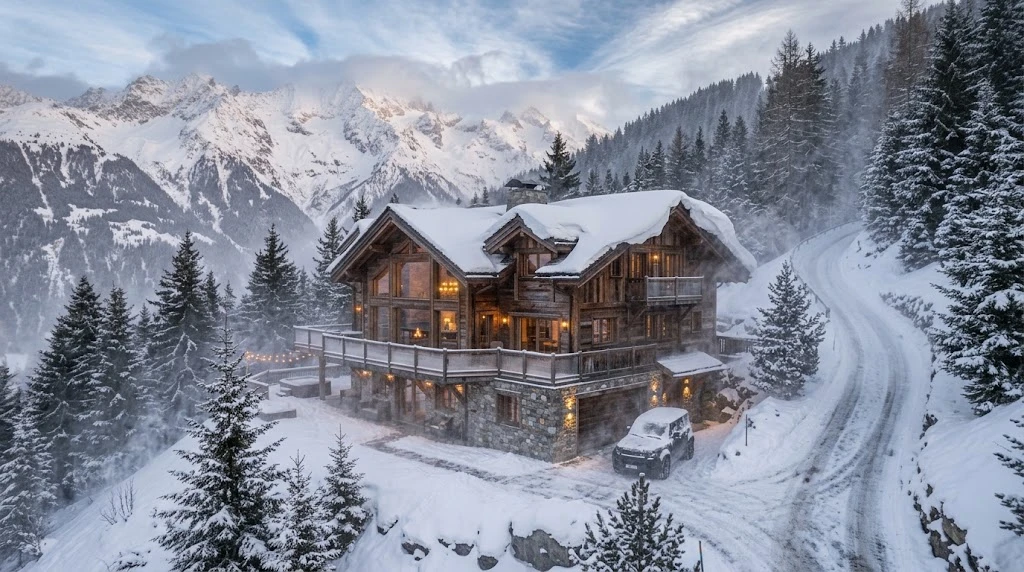
A mountain house faces a tougher environment than a typical suburban home. The air is colder, the wind is stronger, and snow can stick around for months.
Because of that, every part of the home has a job. The roof sheds snow. The foundation grips uneven ground. The walls hold in heat. Even the driveway matters, since a steep, icy road can cut you off from town.
The payoff is big, though. You get quiet mornings, clean air, star-filled skies, and views no city lot can match. Most owners say the trade-off is worth it, as long as they plan ahead.
Popular Styles of Mountain Houses
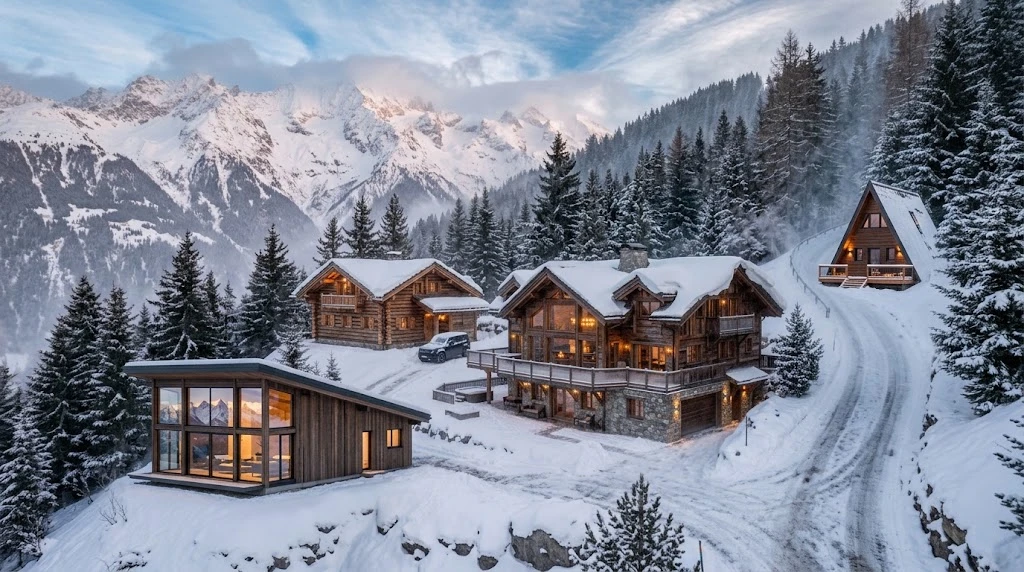
Mountain homes come in many shapes, but four styles show up again and again because they work well on rough terrain.
Log Cabins
Log cabins are the classic pick. Thick logs hold heat well and give the home a warm, rustic look. They do need regular sealing and staining to keep out moisture and insects, so expect some yearly upkeep.
A-Frames
A-frames have steep triangular roofs that let snow slide right off. They are simple to build and easy to spot, though the slanted walls can limit usable space on the upper floor.
Timber Frame and Modern Mountain Homes
Timber frame homes use large wooden beams that stay visible inside. Modern mountain homes borrow that look and add big windows, clean lines, and efficient heating. They cost more, but they suit people who want comfort all year.
Chalets
Alpine-inspired chalets have wide roof overhangs and balconies. The deep eaves shield walls and doorways from snow and rain, which makes them as practical as they are pretty.
How to Choose the Right Location
Location matters more than the house itself. You can remodel a kitchen, but you can’t move a mountain.
Start with access. If you can, drive the road in winter, or ask neighbors how often it closes. Find out who plows it. A gorgeous lot means little if you can’t reach it in January.
Next, study the slope. Gentle to moderate slopes cost less to build on and drain better. Steep lots often need retaining walls and deep foundations, and those costs climb quickly.
Then think about sun and wind. In the Northern Hemisphere, a south-facing lot gets more winter light, which warms the home and melts snow. Exposed ridgelines offer views but take a beating from wind.
Finally, check natural risks and utilities. Ask local officials about wildfire zones, avalanche paths, and landslide history. Confirm how you’ll get water and sewer service, since many mountain lots rely on a private well and septic system. Cell signal and internet speed matter too, especially if you plan to work from home.
Building Materials That Hold Up
Mountain weather is hard on building materials, so choose ones that last.
The foundation comes first. Concrete with good drainage and footings below the frost line is the safest bet, because freezing ground can heave shallow foundations. On slopes, engineers often design stepped or pier foundations.
Metal roofing is popular because snow slides off it and it resists fire. Snow guards help keep sliding snow from hitting people, cars, or decks below.
For siding, wood, stone, and fiber cement all hold up well. Stone and fiber cement resist fire better, which matters in wildfire country.
Windows deserve extra thought. Triple-pane glass costs more, but it cuts heat loss and keeps the chill away from those big view windows. Pair it with thick, well-sealed insulation, and your heating bills will thank you.
Designing for Snow, Wind, and Cold
Smart design turns harsh weather into a small detail.
Roof pitch is a good place to start. Steep roofs shed snow on their own, while flatter roofs need to be engineered for heavy snow loads. Ask a local engineer what your area requires.
Add a covered entry and a mudroom. They keep snow, mud, and wet boots out of your living space and give you a spot to store gear.
Plan your heat with backup in mind. Many owners pair an efficient main system, such as a heat pump or propane furnace, with a wood stove. If the power goes out during a storm, that second source keeps everyone warm. A small generator adds even more peace of mind.
Keep plumbing inside insulated walls, away from exterior surfaces, so pipes don’t freeze. And leave room for storage, because firewood, skis, and tools pile up faster than you think.
What Do Mountain Houses Cost?
Prices swing widely by region, land, and style, so no single number fits everyone. A small cabin in a remote area can cost far less than a luxury home in a famous ski town. Still, a few patterns hold true.
Land is only the first bill. Site work can eat up a large share of the budget. That includes clearing trees, grading a slope, building a driveway, drilling a well, installing a septic system, and bringing in power. Building on a mountain also costs more per square foot than building on flat ground, since crews have a harder time reaching the site and winter shortens the building season.
Ongoing costs matter too. Heating, snow removal, roof care, and insurance add up. Insurance can run high in wildfire or heavy-snow areas, so get quotes before you commit. Set aside a cushion of 10 to 20 percent of your budget for surprises. In the mountains, surprises tend to show up.
Buying vs. Building Your Mountain Home
Buying an existing home gets you in faster and lets you see how the house handles real winters. Ask the seller for past utility bills, and hire an inspector who knows mountain properties. Have them check the roof, foundation, chimney, septic system, and well.
Building lets you shape everything around your needs, but it takes longer and requires many decisions. Hire a local architect and builder who have finished homes at a similar elevation. They know the codes, the weather, and the best suppliers. If you can, visit a few of their past projects and talk to the owners.
Not sure yet? Rent in the area for a season. Living through one full winter will teach you more than any brochure.
Full-Time Home or Weekend Getaway
How you plan to use the house changes your choices. A weekend getaway can be smaller and simpler. Smart thermostats, remote monitors, and a neighbor or property manager who can check in make it easier to leave the place empty for weeks.
A full-time home asks for more. You’ll want fast, reliable internet, safe year-round road access, and a reasonable drive to a hospital and grocery store. Some owners also rent out their mountain retreat when they’re away. Check local short-term rental rules first, because many mountain towns limit them.
Mistakes to Avoid
The most common mistake is falling for the view and skipping the homework. A stunning ridge can hide poor road access, harsh wind, or wildfire risk.
Another is hiring a builder with no mountain experience. Building at elevation is different, and small errors in drainage or roof design become expensive fast.
Some buyers also underestimate upkeep. Roofs, gutters, chimneys, and outdoor wood need regular attention, and small problems grow quickly in freeze-and-thaw cycles.
Finally, don’t judge a place only in summer. Visit in more than one season, and you’ll see the real picture.
Final Thoughts
Mountain houses offer a rare mix of beauty, peace, and adventure, but they reward owners who prepare. Start with the land, the road, and the risks. Then pick a style and materials that fit the climate, and build a budget that leaves room for surprises.
Take your time, ask local experts plenty of questions, and spend a winter there before you decide if you can. If you do the groundwork now, your mountain home will give you comfort and joy for many years to come.
